
Wellness Blog
Varicocele Treatment: Complete Guide to Symptoms, Causes & Herbal Solutions

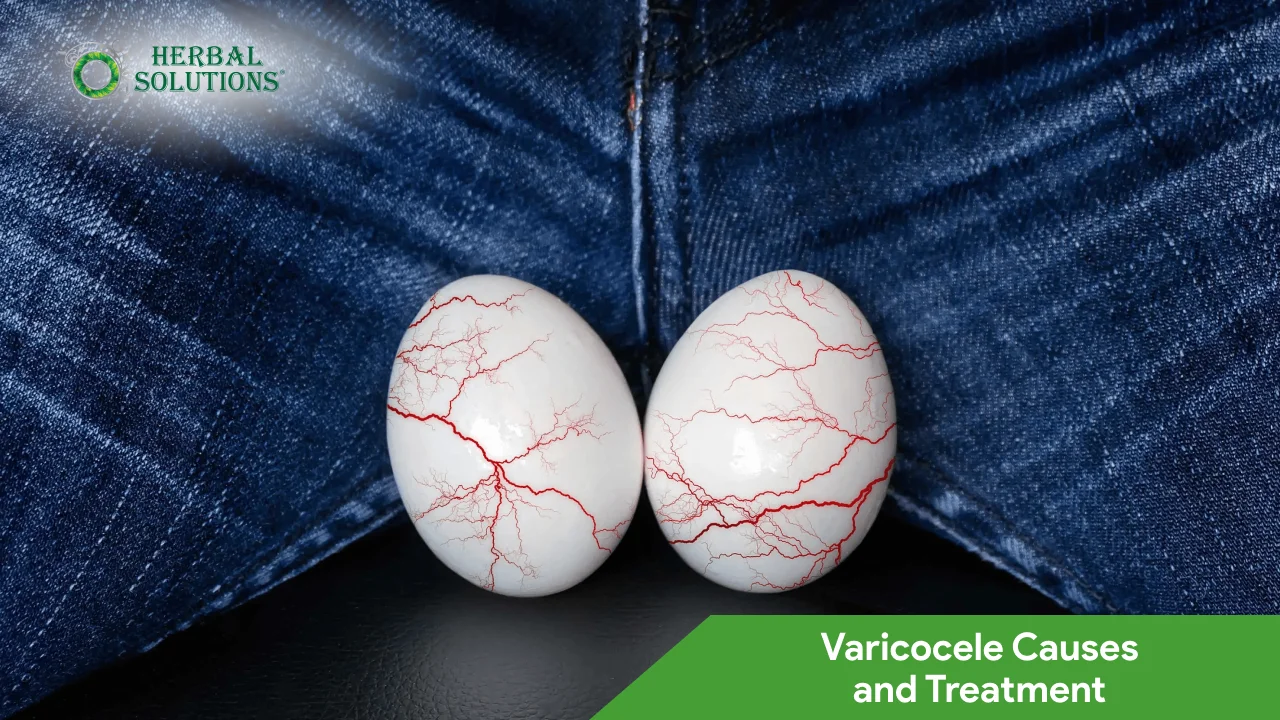
Varicocele Treatment Complete Guide 2026 | Causes, Symppt
Varicocele is one of the most common conditions affecting male reproductive health, yet many men remain unaware of its existence until they experience symptoms or fertility issues. This comprehensive guide will help you understand everything about varicocele, from its causes and symptoms to the most effective treatment options available today.
What is Varicocele?
Varicocele is an enlargement of the veins within the scrotum, similar to varicose veins that occur in the legs. These enlarged veins, known as the pampiniform plexus, can cause the scrotum to feel like it contains a “bag of worms.” The condition typically develops during puberty and is found in approximately 15% of the male population, making it a relatively common urological issue.
The varicocele condition occurs when the valves inside the veins prevent blood from flowing properly, causing blood to pool and the veins to enlarge. While varicoceles can develop on both sides, they are most commonly found on the left side of the scrotum due to anatomical differences in how the veins drain on each side.
Understanding the Causes of Varicocele
The primary cause of varicocele is malfunctioning valves within the spermatic cord veins. These valves are supposed to regulate blood flow from the testicles back to the heart. When these valves fail to work properly, blood begins to accumulate in the veins, causing them to expand and swell.
Several factors contribute to the development of varicocele:
Anatomical Factors: The left testicular vein is longer and connects to the renal vein at a right angle, which creates more pressure and makes valve failure more likely on the left side.
Increased Abdominal Pressure: Activities or conditions that increase pressure in the abdomen, such as heavy lifting, chronic constipation, or prolonged standing, can contribute to varicocele formation.
Genetics: There appears to be a hereditary component to varicocele, with men who have family members with the condition being at higher risk.
Age and Development: Varicoceles typically develop during puberty when the testicles are growing rapidly and require increased blood flow.
Recognizing Varicocele Symptoms
Many men with varicocele experience no symptoms at all, and the condition is often discovered during routine physical examinations or fertility evaluations. However, when symptoms do occur, they can include:
Pain and Discomfort: Varicocele pain is often described as a dull, aching sensation in the scrotum that worsens throughout the day, especially after prolonged standing or physical activity. The pain typically improves when lying down, as gravity no longer affects blood pooling.
Visible or Palpable Veins: In moderate to severe cases, the enlarged veins may be visible through the scrotal skin or easily felt during self-examination. They often feel like a cluster of soft, tangled tubes.
Testicular Shrinkage: The affected testicle may be noticeably smaller than the other, a condition known as testicular atrophy. This occurs because the increased temperature and pressure from pooled blood can damage testicular tissue.
Fertility Issues: Varicocele is found in approximately 35-40% of men with primary infertility and up to 80% of men with secondary infertility, making it one of the leading causes of male infertility.
Heaviness in the Scrotum: Some men report a feeling of heaviness or fullness in the scrotum, particularly after exercise or at the end of the day.
How Varicocele Affects Male Fertility
The connection between varicocele and infertility is well-established in medical literature. The condition affects fertility through several mechanisms:
Increased Testicular Temperature: The pooled blood in the enlarged veins raises the temperature in the scrotum. Since sperm production requires temperatures slightly cooler than normal body temperature, this elevation can significantly impair sperm production and quality.
Oxidative Stress: Varicocele increases oxidative stress in the testicles, leading to DNA damage in sperm and affecting their ability to fertilize an egg.
Hormonal Imbalance: The condition can disrupt the normal hormonal environment necessary for healthy sperm production, potentially affecting testosterone levels and other reproductive hormones.
Impaired Blood Flow: The abnormal blood flow pattern can deprive the testicles of adequate oxygen and nutrients while allowing metabolic waste products to accumulate.
Studies have shown that men with varicocele often have lower sperm counts, reduced sperm motility, and abnormal sperm morphology. However, it’s important to note that many men with varicocele maintain normal fertility, and the severity of the condition doesn’t always correlate with fertility problems.
Diagnosing Varicocele: What to Expect
If you suspect you have varicocele, a proper diagnosis is essential. The diagnostic process typically includes:
Physical Examination: A urologist will examine your scrotum while you’re standing and potentially while performing a Valsalva maneuver (bearing down as if having a bowel movement), which makes varicoceles more prominent.
Scrotal Ultrasound: This imaging test uses sound waves to create detailed pictures of the veins in your scrotum, helping to confirm the diagnosis and grade the severity of the varicocele.
Semen Analysis: If fertility is a concern, your doctor will likely order a semen analysis to evaluate sperm count, motility, and morphology.
Varicoceles are typically graded on a scale:
- Grade 1: Small varicocele, detectable only during Valsalva maneuver
- Grade 2: Moderate varicocele, palpable but not visible
- Grade 3: Large varicocele, visible through the scrotal skin
Treatment Options for Varicocele
Treatment for varicocele isn’t always necessary, particularly if you’re not experiencing symptoms or fertility issues. However, when treatment is indicated, several options are available:
Surgical Treatments
Varicocelectomy: This surgical procedure involves tying off the affected veins to redirect blood flow to healthy veins. It can be performed through open surgery, laparoscopy, or microsurgery.
Embolization: A minimally invasive procedure where a radiologist inserts a catheter into the vein and blocks it using coils or special solutions.
Natural and Herbal Solutions
Many men are turning to natural approaches to manage varicocele symptoms and support reproductive health. Natural treatments focus on improving circulation, reducing inflammation, and supporting overall testicular health.
Herbal Supplements: Certain herbs have been traditionally used to support vein health and circulation. Herbal formulations specifically designed for varicocele may include ingredients that strengthen vein walls, reduce inflammation, and improve blood flow.
Lifestyle Modifications:
- Wearing supportive underwear to reduce gravitational pressure on the veins
- Avoiding prolonged standing or sitting
- Maintaining a healthy weight to reduce abdominal pressure
- Staying hydrated to support proper blood flow
- Regular exercise that doesn’t strain the pelvic area
Dietary Interventions: A diet rich in antioxidants, flavonoids, and vitamins C and E can help support vein health and reduce oxidative stress. Foods like berries, citrus fruits, leafy greens, and nuts should be included regularly.
The Special Varicocele Course
For men seeking a comprehensive natural approach to managing varicocele, specialized treatment programs offer structured protocols combining multiple therapeutic strategies. These courses typically include:
- Carefully formulated herbal supplements targeting vein health and circulation
- Detailed dietary guidelines to support reproductive health
- Lifestyle modification recommendations
- Exercise protocols designed to improve blood flow without exacerbating symptoms
- Ongoing support and monitoring
Such comprehensive approaches aim to address the root causes of varicocele while supporting overall male reproductive health, offering an alternative or complement to surgical interventions.
Preventing Varicocele Progression
While you cannot always prevent varicocele from developing, you can take steps to minimize its progression:
Maintain Healthy Weight: Excess weight increases abdominal pressure, which can worsen varicocele.
Practice Proper Lifting Techniques: Avoid straining during heavy lifting by using proper form and engaging core muscles.
Stay Active: Regular cardiovascular exercise promotes healthy circulation throughout the body, including the reproductive organs.
Manage Constipation: Chronic straining during bowel movements increases abdominal pressure. Eating a fiber-rich diet and staying hydrated can help.
Wear Supportive Clothing: Athletic supporters or specially designed underwear can help minimize discomfort and prevent worsening of the condition.
When to See a Doctor About Varicocele
You should consult a healthcare provider if you experience:
- Scrotal pain or discomfort that persists or worsens
- A noticeable lump or mass in your scrotum
- Difference in size between your testicles
- Difficulty conceiving after one year of trying
- Changes in testicular texture or appearance
- Sudden onset of varicocele symptoms, especially in older men (which could indicate a more serious underlying condition)
Living with Varicocele: Long-Term Outlook
The prognosis for men with varicocele is generally excellent. Many men with the condition require no treatment and experience no complications. For those who do experience symptoms or fertility issues, treatment options are effective in the vast majority of cases.
Studies show that varicocelectomy can improve semen parameters in 60-80% of men and natural conception rates improve in approximately 40-50% of couples where the male partner undergoes treatment. Natural and herbal approaches may take longer to show results but can provide sustainable improvements with minimal side effects when properly formulated and administered.
The Role of Natural Medicine in Varicocele Management
Natural and herbal medicine has been used for centuries to address various male reproductive health issues, including varicocele. Modern formulations combine traditional knowledge with scientific research to create effective protocols that:
- Support healthy blood circulation in the reproductive organs
- Strengthen vein walls and improve valve function
- Reduce inflammation and oxidative stress
- Balance hormones naturally
- Improve overall reproductive health
The advantage of natural approaches is that they typically come with fewer side effects compared to surgical interventions and can be used long-term to maintain results and prevent recurrence.
Conclusion
Varicocele is a common but manageable condition that affects millions of men worldwide. Understanding the causes, symptoms, and treatment options empowers you to make informed decisions about your reproductive health. Whether you choose surgical intervention, natural treatments, or a combination of approaches, addressing varicocele can lead to improved comfort, enhanced fertility, and better overall quality of life.
For men experiencing varicocele symptoms or concerned about fertility, consulting with healthcare providers and exploring comprehensive treatment options—including natural and herbal solutions—can provide the path to recovery and improved reproductive health. Remember that every case is unique, and what works best for one person may differ for another. The key is to stay informed, work with qualified healthcare professionals, and choose treatment approaches that align with your health goals and personal preferences.