
Wellness Blog
Thalassemia During Pregnancy: Complete Management Guide

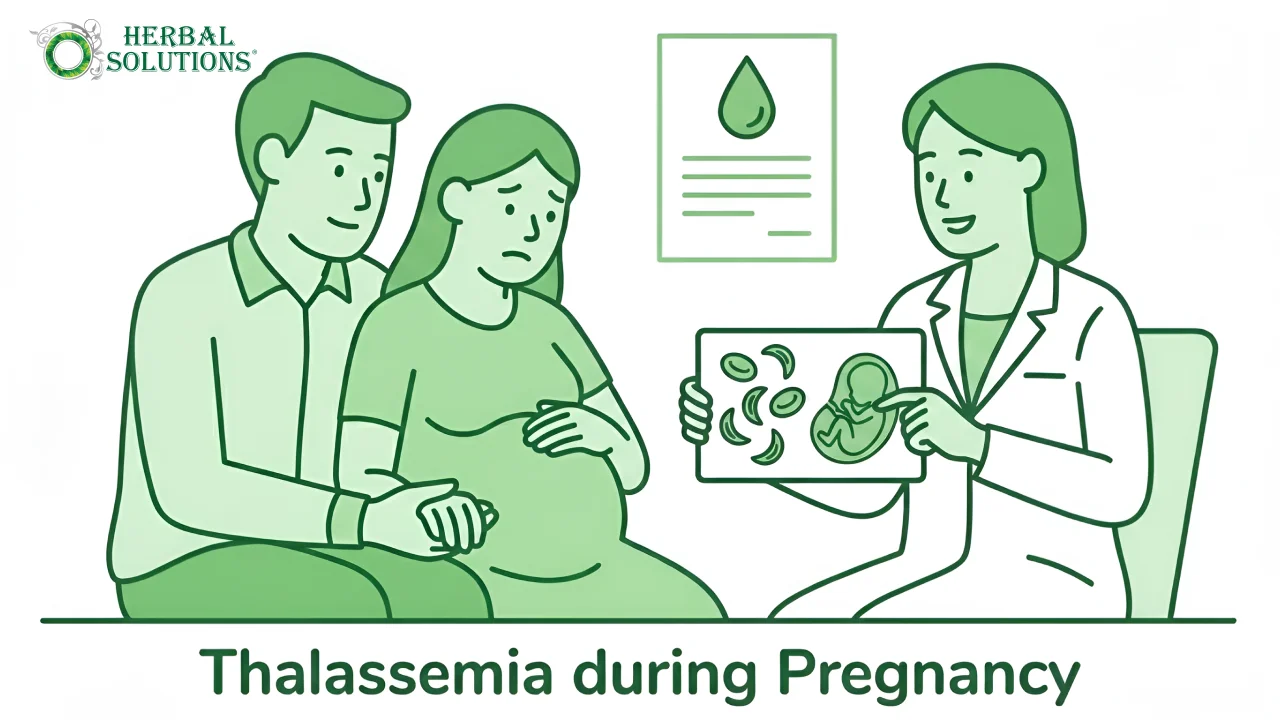
Thalassemia During Pregnancy: Everything You Need to Know for a Healthy Journey
Thalassemia during pregnancy presents unique challenges that require specialized care, proper medical guidance, and comprehensive support. If you or your partner carries the thalassemia trait or has been diagnosed with this genetic blood disorder, understanding how it affects pregnancy is crucial for ensuring the health of both mother and baby.
At Herbal Solutions Pakistan, we understand the complexities of managing thalassemia during pregnancy and offer holistic fertility support to help couples navigate this journey with confidence.
Understanding Thalassemia and Its Impact on Pregnancy
Thalassemia is an inherited blood disorder that affects the body’s ability to produce hemoglobin, the protein in red blood cells responsible for carrying oxygen throughout the body. When thalassemia during pregnancy occurs, it can lead to complications that require careful monitoring and management.
Types of Thalassemia Affecting Pregnancy
Thalassemia Minor (Trait): Individuals with thalassemia minor typically experience mild anemia and can usually conceive and carry pregnancies with proper prenatal care. However, genetic counseling is essential if both partners carry the trait.
Thalassemia Major: This severe form requires regular blood transfusions and intensive medical management. Women with thalassemia major can become pregnant, but it requires specialized high-risk pregnancy care.
Pre-Pregnancy Planning: The Foundation of Safe Conception
If you’re planning to conceive and either you or your partner has thalassemia, pre-pregnancy counseling is essential. Here’s what you should consider:
Genetic Counseling and Testing
Before conception, both partners should undergo genetic screening for thalassemia to understand the risk of passing the condition to their child. If both parents carry the thalassemia gene, there’s a 25% chance with each pregnancy that the baby will inherit thalassemia major.
Optimizing Health Before Conception
Building a strong foundation for pregnancy involves:
- Maintaining optimal iron levels through proper nutrition
- Managing anemia with medical supervision
- Supporting overall reproductive health with natural supplements
- Ensuring cardiac and liver function is stable (for thalassemia major patients)
At Herbal Solutions Pakistan, our Special Fertility Course provides comprehensive support for couples planning pregnancy, including those managing thalassemia. Our natural formulations work alongside conventional treatments to optimize reproductive health and prepare your body for conception.
Managing Thalassemia During Pregnancy: Essential Guidelines
Once pregnant, women with thalassemia during pregnancy need enhanced prenatal care and monitoring. Here’s what to expect:
First Trimester Care
The first three months are critical for fetal development. Women managing thalassemia during pregnancy should:
- Attend early prenatal appointments with a hematologist and obstetrician
- Begin prenatal vitamins (avoiding iron supplements unless specifically prescribed, as iron overload can be dangerous)
- Undergo baseline blood work to monitor hemoglobin levels
- Consider prenatal diagnostic testing like chorionic villus sampling (CVS) if both parents are carriers
Second and Third Trimester Monitoring
As pregnancy progresses, medical supervision becomes even more important:
- Regular blood transfusions may be necessary for those with thalassemia major
- Frequent hemoglobin monitoring to prevent severe anemia
- Ultrasound examinations to monitor fetal growth and development
- Cardiac monitoring, as pregnancy increases strain on the heart
- Nutrition counseling to ensure adequate folic acid intake
Potential Complications to Watch For
Women with thalassemia during pregnancy may face increased risks of:
- Severe anemia: Leading to fatigue, weakness, and potential complications for the baby
- Intrauterine growth restriction: The baby may not grow at the expected rate
- Preterm labor: Higher risk of early delivery
- Cardiac complications: Pregnancy puts additional stress on the heart
- Gestational diabetes: Particularly in women with iron overload
Nutrition and Natural Support for Thalassemia During Pregnancy
While medical management is paramount, proper nutrition and natural supplements can provide additional support:
Dietary Recommendations
- Folic acid-rich foods: Leafy greens, legumes, and fortified cereals support red blood cell production
- Vitamin C sources: Citrus fruits, tomatoes, and bell peppers enhance iron absorption when needed
- Protein-rich foods: Lean meats, fish, eggs, and dairy for fetal development
- Calcium sources: Milk, yogurt, and fortified plant-based alternatives for bone health
Herbal and Natural Support
At Herbal Solutions Pakistan, we offer natural fertility support that complements medical treatment. Our Special Fertility Course includes carefully formulated herbal supplements that:
- Support overall reproductive health
- Promote healthy blood formation
- Provide antioxidant protection
- Enhance nutritional absorption
- Support hormonal balance naturally
Important Note: Always consult your healthcare provider before taking any supplements during pregnancy, especially when managing thalassemia.
Prenatal Diagnosis: Understanding Your Options
For couples where both partners carry the thalassemia trait, prenatal diagnosis can determine if the baby has inherited the condition:
Available Testing Options
Chorionic Villus Sampling (CVS): Performed at 10-13 weeks, this test analyzes placental tissue to detect thalassemia major in the fetus.
Amniocentesis: Conducted at 15-20 weeks, this test examines amniotic fluid for genetic abnormalities including thalassemia.
Non-Invasive Prenatal Testing (NIPT): Newer blood tests can screen for certain genetic conditions, though diagnostic confirmation may still require CVS or amniocentesis.
Understanding the results allows parents to make informed decisions and prepare for their baby’s medical needs if thalassemia is diagnosed.
Delivery Planning and Postpartum Care
As you approach your due date, special considerations for delivery include:
Labor and Delivery
- Ensuring hemoglobin levels are adequate before delivery
- Having blood products available if transfusion becomes necessary
- Monitoring for excessive bleeding postpartum
- Coordinating care between hematology and obstetric teams
Postpartum Period
After delivery, mothers with thalassemia during pregnancy need continued care:
- Regular blood work to monitor recovery
- Resuming transfusion schedules if needed
- Breastfeeding is generally safe and encouraged (unless specific contraindications exist)
- Newborn screening for thalassemia if both parents are carriers
Emotional and Psychological Support
Managing thalassemia during pregnancy can be emotionally challenging. The stress of frequent medical appointments, potential complications, and concerns about the baby’s health can take a toll on mental wellbeing.
Finding Support
- Join support groups for women with high-risk pregnancies
- Consider counseling to process anxiety and fears
- Maintain open communication with your healthcare team
- Connect with other families managing thalassemia
- Lean on your partner, family, and friends for emotional support
How Herbal Solutions Pakistan Can Support Your Journey
At Herbal Solutions Pakistan, we understand that managing thalassemia during pregnancy requires a comprehensive approach. While we always recommend working closely with your medical team for conventional treatment, our natural fertility solutions can provide complementary support.
Our Special Fertility Course is designed to:
- Optimize reproductive health naturally
- Support overall vitality and wellness during conception and pregnancy
- Provide nutritional support through carefully selected herbal formulations
- Work alongside your medical treatment plan
Ready to learn more? Contact our expert consultants at 03006777725 to discuss how we can support your fertility journey while managing thalassemia. Our team provides personalized guidance tailored to your unique health needs.
Success Stories: Hope for Couples with Thalassemia
Many women with thalassemia have successfully carried healthy pregnancies to term with proper medical care and support. Advances in prenatal diagnosis, improved transfusion protocols, and better understanding of the condition have dramatically improved outcomes.
The key to success lies in:
- Early planning and genetic counseling
- Regular prenatal care with specialists
- Proper monitoring throughout pregnancy
- Adequate nutritional and natural support
- Strong emotional and family support systems
Frequently Asked Questions About Thalassemia During Pregnancy
Can a woman with thalassemia major get pregnant? Yes, with advances in medical care, women with thalassemia major can conceive and carry pregnancies, though it requires high-risk pregnancy management and close monitoring.
What if both parents have thalassemia minor? If both parents carry the trait, there’s a 25% chance the baby will have thalassemia major, 50% chance of being a carrier, and 25% chance of being unaffected. Genetic counseling and prenatal diagnosis are recommended.
Are blood transfusions safe during pregnancy? Yes, blood transfusions are safe during pregnancy when medically necessary and are often required for women with thalassemia major to maintain adequate hemoglobin levels.
Can I breastfeed if I have thalassemia? Generally yes, breastfeeding is safe and encouraged for mothers with thalassemia unless specific medical contraindications exist.
Take the Next Step Toward a Healthy Pregnancy
Managing thalassemia during pregnancy is undoubtedly challenging, but with the right medical care, natural support, and preparation, many women successfully navigate this journey and welcome healthy babies.
At Herbal Solutions Pakistan, we’re committed to supporting couples on their fertility journey, providing natural solutions that complement medical treatment. Whether you’re planning to conceive or already pregnant, our team is here to help.
Contact us today at 03006777725 to speak with our fertility specialists and learn how our Special Fertility Course can support your unique health needs.