
Wellness Blog
Teratozoospermia Causes and Treatment: Complete Guide 2026 | Herbal Solutions

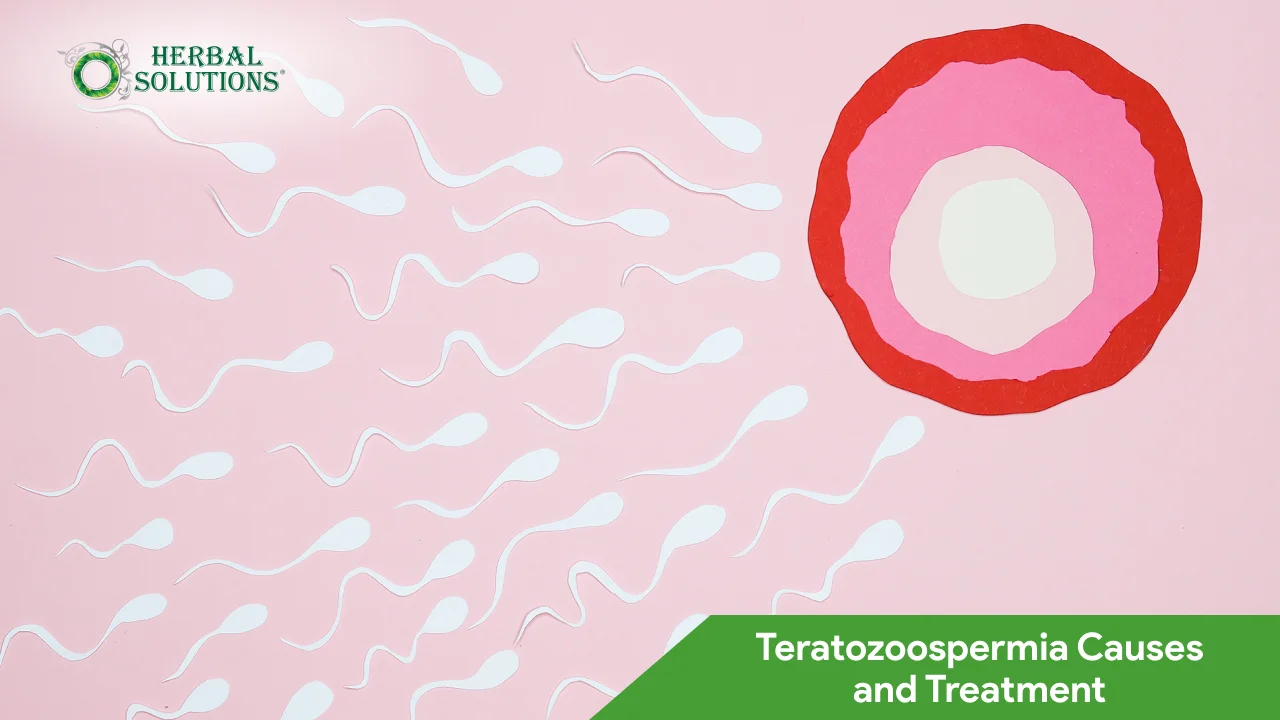
Teratozoospermia Causes and Treatment:
Teratozoospermia is a male fertility condition that affects millions of men worldwide, yet many remain unaware of its impact on their reproductive health. This condition, characterized by abnormal sperm morphology, can significantly reduce the chances of natural conception. Understanding teratozoospermia causes and treatment options is crucial for couples struggling with infertility and seeking effective solutions to achieve their dream of parenthood.
What is Teratozoospermia?
Teratozoospermia, also known as teratospermia, is a semen abnormality where a high percentage of sperm cells have abnormal shapes or morphology. According to the World Health Organization (WHO) criteria, teratozoospermia is diagnosed when less than 4% of sperm have normal morphology. The condition affects the sperm’s ability to fertilize an egg, making conception challenging or sometimes impossible without medical intervention.
Sperm morphology refers to the size and shape of sperm cells, including the head, midpiece, and tail. Normal sperm have an oval-shaped head, a distinct midpiece, and a long, straight tail. In teratozoospermia, sperm may have various abnormalities such as large or small heads, double heads, bent tails, thick midpieces, or other structural defects that impair their ability to swim properly and penetrate the egg.
Understanding Teratozoospermia Causes
The causes of teratozoospermia are diverse and can be attributed to various genetic, environmental, and lifestyle factors. Identifying the underlying cause is essential for determining the most effective treatment approach.
Genetic Factors
Genetic abnormalities play a significant role in teratozoospermia. Chromosomal defects, mutations in genes responsible for sperm development, and inherited conditions can all lead to abnormal sperm morphology. Men with a family history of fertility issues may be at higher risk of developing teratozoospermia due to genetic predisposition.
Infections and Inflammation
Reproductive tract infections, including sexually transmitted infections (STIs) such as chlamydia and gonorrhea, can damage sperm-producing cells and lead to teratozoospermia. Chronic prostatitis, epididymitis, and orchitis (testicular inflammation) can also negatively impact sperm morphology. These infections cause inflammation that disrupts normal sperm development and maturation processes.
Varicocele
Varicocele, an enlargement of veins within the scrotum, is one of the most common reversible causes of male infertility and teratozoospermia. This condition increases scrotal temperature and causes blood pooling, which creates an unfavorable environment for sperm production. The elevated temperature and oxidative stress associated with varicocele can lead to abnormal sperm morphology.
Hormonal Imbalances
Hormonal disorders affecting testosterone, follicle-stimulating hormone (FSH), luteinizing hormone (LH), or thyroid hormones can disrupt spermatogenesis and cause teratozoospermia. Conditions like hypogonadism, pituitary disorders, and thyroid dysfunction can all impact sperm quality and morphology.
Environmental and Occupational Exposures
Exposure to environmental toxins, heavy metals, pesticides, and radiation can damage sperm DNA and cause morphological abnormalities. Men working in industries involving chemicals, high temperatures, or radiation face increased risk of developing teratozoospermia. Prolonged exposure to these harmful substances can have cumulative effects on sperm quality.
Lifestyle Factors
Several lifestyle choices significantly contribute to teratozoospermia:
- Smoking: Tobacco use increases oxidative stress and damages sperm DNA, leading to abnormal morphology
- Excessive Alcohol Consumption: Heavy drinking disrupts hormone production and impairs sperm development
- Drug Use: Recreational drugs, including marijuana and anabolic steroids, negatively affect sperm morphology
- Obesity: Excess body weight is associated with hormonal imbalances and increased scrotal temperature
- Poor Diet: Nutritional deficiencies, particularly lack of antioxidants, vitamins, and minerals, can impair sperm quality
- Stress: Chronic stress elevates cortisol levels, which can negatively impact testosterone production and sperm health
Medical Conditions and Medications
Certain medical conditions such as diabetes, autoimmune disorders, and chronic illnesses can contribute to teratozoospermia. Additionally, medications including chemotherapy drugs, certain antibiotics, antihypertensives, and antidepressants may adversely affect sperm morphology.
Age Factor
Advanced paternal age is associated with decreased sperm quality, including increased rates of abnormal morphology. As men age, oxidative stress increases and DNA repair mechanisms become less efficient, leading to higher rates of teratozoospermia.
Diagnosing Teratozoospermia
Proper diagnosis of teratozoospermia requires a comprehensive semen analysis performed by a qualified laboratory. The analysis evaluates several parameters including sperm concentration, motility, and morphology. For accurate diagnosis, at least two semen samples should be collected 2-3 weeks apart, as sperm quality can vary.
Additional diagnostic tests may include:
- Hormone level assessment (testosterone, FSH, LH)
- Scrotal ultrasound to detect varicocele or other abnormalities
- Genetic testing to identify chromosomal abnormalities
- Infection screening
- Antisperm antibody testing
Teratozoospermia Treatment Options
The good news is that teratozoospermia treatment is available, and many men can improve their sperm morphology with appropriate interventions. Treatment approaches depend on the underlying cause and severity of the condition.
Lifestyle Modifications
The foundation of teratozoospermia treatment involves lifestyle changes:
Dietary Improvements: Adopt a fertility-friendly diet rich in antioxidants, vitamins C and E, zinc, selenium, folic acid, and omega-3 fatty acids. Include plenty of fruits, vegetables, nuts, seeds, and fish in your daily meals.
Quit Smoking and Reduce Alcohol: Eliminating tobacco use and limiting alcohol consumption can significantly improve sperm morphology within 3-6 months.
Weight Management: Achieving and maintaining a healthy body weight through balanced nutrition and regular exercise helps optimize hormone levels and sperm quality.
Stress Reduction: Practice stress management techniques such as meditation, yoga, regular exercise, and adequate sleep to reduce cortisol levels and support reproductive health.
Avoid Heat Exposure: Limit hot baths, saunas, and tight underwear that increase scrotal temperature. Keep laptops off your lap and avoid prolonged sitting.
Nutritional Supplementation
Specific supplements have shown promise in improving sperm morphology:
- Antioxidants: Vitamins C, E, CoQ10, and glutathione help reduce oxidative stress
- Zinc: Essential for sperm production and morphology
- Selenium: Supports antioxidant defense and sperm development
- Folic Acid: Important for DNA synthesis and sperm quality
- L-Carnitine: Improves sperm energy metabolism and morphology
- Omega-3 Fatty Acids: Support sperm membrane integrity
Medical Treatments
Treating Underlying Infections: Antibiotics may be prescribed to treat bacterial infections affecting sperm quality.
Hormone Therapy: If hormonal imbalances are identified, appropriate hormone replacement or regulation therapy may be recommended.
Varicocele Repair: Surgical correction of varicocele has shown significant improvement in sperm morphology in many cases.
Treating Chronic Conditions: Managing conditions like diabetes, thyroid disorders, or autoimmune diseases can indirectly improve sperm quality.
Natural and Herbal Remedies
Many men seek natural approaches to improve their fertility. Traditional herbal medicine has been used for centuries to support male reproductive health. Natural fertility treatments often include:
- Ashwagandha: Known for reducing stress and improving sperm parameters
- Tribulus Terrestris: May support testosterone levels and sperm quality
- Maca Root: Traditional remedy for enhancing fertility and libido
- Ginseng: Supports overall reproductive function
- Fenugreek: May improve testosterone levels and sperm morphology
At Herbal Solutions, we offer a Special Fertility Course that combines traditional herbal wisdom with modern understanding of male fertility. Our comprehensive program addresses teratozoospermia causes and treatment through natural, holistic approaches tailored to individual needs. The course includes carefully formulated herbal supplements, dietary guidance, and lifestyle recommendations designed to optimize sperm morphology and overall reproductive health.
Assisted Reproductive Technologies (ART)
For severe cases of teratozoospermia where natural conception remains difficult despite treatment, assisted reproductive technologies offer hope:
Intrauterine Insemination (IUI): Processed sperm with the best morphology are directly placed into the uterus during ovulation.
In Vitro Fertilization (IVF): Eggs are fertilized with sperm outside the body, and resulting embryos are transferred to the uterus.
Intracytoplasmic Sperm Injection (ICSI): A single sperm is directly injected into an egg, bypassing natural barriers. This technique is particularly effective for severe teratozoospermia.
Timeline for Improvement
It’s important to understand that sperm production takes approximately 72-90 days. Therefore, any teratozoospermia treatment requires at least 3 months before improvements can be observed in semen analysis. Patience and consistency with treatment protocols are essential for success.
Prevention Strategies
While not all cases of teratozoospermia can be prevented, certain measures can reduce risk:
- Maintain a healthy lifestyle with balanced nutrition and regular exercise
- Avoid tobacco, excessive alcohol, and recreational drugs
- Minimize exposure to environmental toxins and high temperatures
- Practice safe sex to prevent STIs
- Manage stress effectively
- Maintain healthy body weight
- Have regular medical check-ups
- Avoid prolonged use of laptops on your lap
- Wear loose-fitting underwear
The Role of Partner Support
Dealing with teratozoospermia can be emotionally challenging for couples. Open communication, mutual support, and shared decision-making about treatment options are crucial. Both partners should maintain healthy lifestyles, as female fertility also plays a significant role in conception success.
When to Seek Professional Help
If you’ve been trying to conceive for over a year (or six months if the female partner is over 35) without success, it’s time to seek professional evaluation. Early diagnosis and treatment of teratozoospermia can significantly improve your chances of achieving pregnancy.
Conclusion
Teratozoospermia is a treatable condition, and understanding its causes and treatment options empowers men to take control of their reproductive health. Whether through lifestyle modifications, medical interventions, natural remedies, or assisted reproductive technologies, there are multiple pathways to overcoming this fertility challenge.
At Herbal Solutions, we believe in a holistic approach that addresses teratozoospermia causes and treatment through natural, evidence-based methods. Our Special Fertility Course provides comprehensive support for men dealing with fertility issues, combining traditional herbal wisdom with modern scientific understanding.
Remember, every case of teratozoospermia is unique, and what works for one person may not work for another. Consulting with healthcare professionals, remaining patient throughout the treatment process, and maintaining hope are essential steps on your journey to parenthood. With proper diagnosis, appropriate treatment, and commitment to lifestyle changes, many men with teratozoospermia can improve their sperm morphology and successfully father children.
Take the first step today toward improving your fertility and achieving your dream of starting or expanding your family. Your journey to better reproductive health begins with understanding, and with the right support and treatment, parenthood is within reach.