
Wellness Blog
PCOS Treatment in Pakistan: Natural Solutions for Polycystic Ovary Syndrome

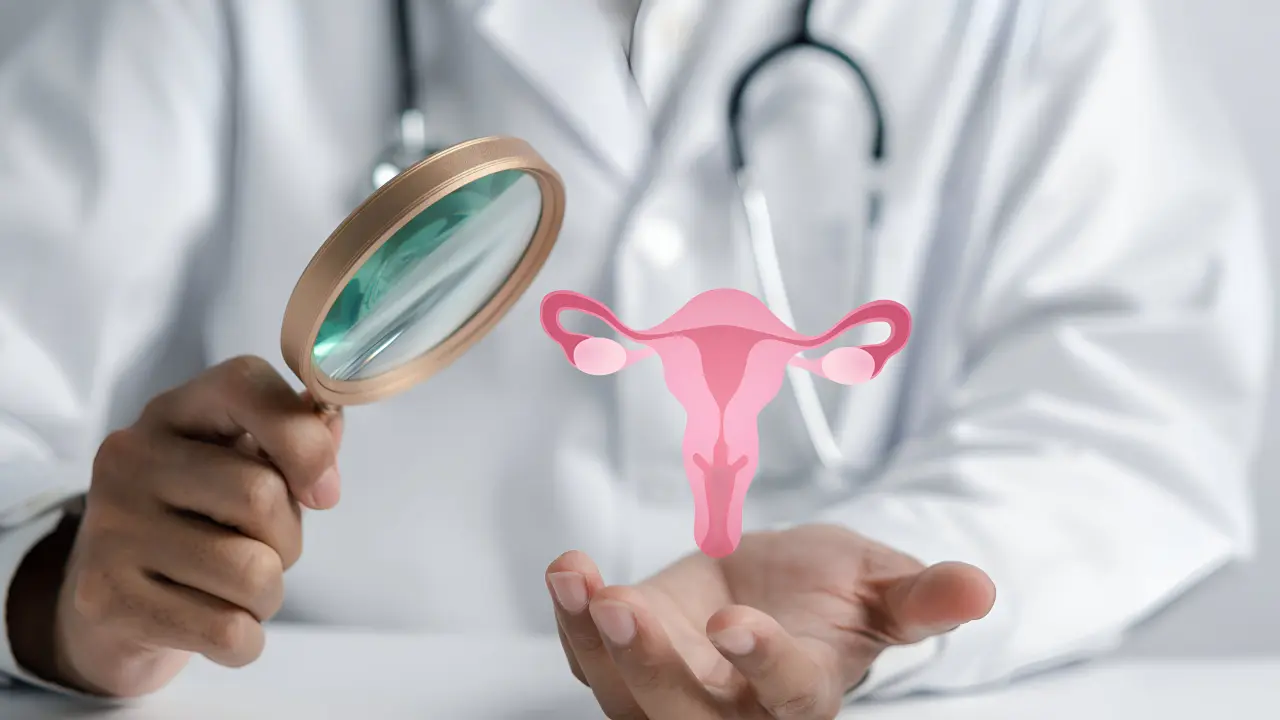
PCOS Treatment in Pakistan: A Common Struggle for Pakistani Women
Polycystic Ovary Syndrome (PCOS) affects approximately 20-25% of reproductive-age women in Pakistan, making it one of the most common hormonal disorders among Pakistani women. Despite its prevalence, PCOS remains misunderstood, underdiagnosed, and challenging to manage for many women across the country.
This comprehensive guide explores the reality of PCOS in Pakistan—its symptoms, conventional treatments, and breakthrough natural solutions that are helping thousands of Pakistani women reclaim their hormonal health and fertility, including the specialized Female Fertility Course that has transformed lives nationwide.
What Exactly is PCOS?
Polycystic Ovary Syndrome is a complex hormonal disorder characterized by:
- Hormonal imbalance: Particularly elevated androgens (male hormones)
- Insulin resistance: Difficulty processing insulin leading to higher blood sugar levels
- Ovarian dysfunction: Including irregular ovulation and potential cyst formation
- Metabolic disruption: Affecting weight, energy, and overall health
While the exact cause remains unclear, both genetic and environmental factors play significant roles in PCOS development. What makes PCOS particularly challenging is that it manifests differently in each woman, with varying symptoms and severity.
Common PCOS Symptoms in Pakistani Women
Pakistani women with PCOS typically experience a combination of these symptoms:
Reproductive Symptoms
- Irregular or missed periods (oligomenorrhea)
- Difficulty conceiving due to irregular ovulation
- Heavy or prolonged menstrual bleeding
- Multiple small cysts on the ovaries (visible on ultrasound)
Metabolic Symptoms
- Weight gain, particularly around the abdomen
- Difficulty losing weight despite efforts
- Increased hunger and cravings
- Fatigue and low energy levels
- Insulin resistance and higher risk of diabetes
Dermatological Symptoms
- Hirsutism (excessive hair growth on face, chest, and back)
- Acne, particularly persistent and cystic
- Hair thinning or male-pattern hair loss
- Skin darkening (acanthosis nigricans), especially around neck and underarms
Psychological Impact
- Mood swings and irritability
- Depression and anxiety
- Poor body image and self-esteem
- Sleep disturbances
- Chronic stress
Diagnosing PCOS in Pakistan: Current Challenges
Despite its prevalence, getting diagnosed with PCOS in Pakistan comes with several challenges:
- Limited awareness: Many women dismiss symptoms as “normal” menstrual irregularities
- Stigma: Reluctance to discuss reproductive health concerns openly
- Access issues: Uneven availability of specialized gynecological care
- Fragmented care: Lack of multidisciplinary approach to treatment
- Financial constraints: Diagnostic testing costs can be prohibitive
Doctors typically diagnose PCOS based on the Rotterdam criteria, requiring at least two of these three features:
- Irregular or absent menstruation
- Clinical or biochemical signs of hyperandrogenism (elevated male hormones)
- Polycystic ovaries on ultrasound
Conventional PCOS Treatments Available in Pakistan
Pakistani healthcare institutions offer several approaches to managing PCOS:
Pharmaceutical Interventions
- Oral contraceptives: To regulate menstrual cycles and reduce androgen levels
- Metformin: To improve insulin sensitivity and potentially restore ovulation
- Anti-androgens: To address hirsutism and acne
- Clomiphene citrate: For women trying to conceive
- Letrozole: Sometimes used as an alternative to clomiphene
Surgical Options
- Ovarian drilling: Laparoscopic procedure to reduce androgen production
- Bariatric surgery: For women with severe obesity and PCOS
- Cyst removal: In cases of large or painful ovarian cysts
Limitations of Conventional Treatments
While these treatments can be effective, they come with several drawbacks:
- Symptom management vs. root causes: Most medications treat symptoms rather than underlying imbalances
- Side effects: From mood changes and weight gain to more serious health concerns
- Temporary results: Symptoms often return when medication is discontinued
- Accessibility issues: Cost and availability vary significantly across Pakistan
- Limited effectiveness: Not all women respond well to standard treatments
The Rising Interest in Natural PCOS Management
Given these limitations, many Pakistani women are turning to natural and holistic approaches to PCOS management:
Growing Demand for Natural Solutions
This trend is driven by several factors:
- Desire to address root causes rather than mask symptoms
- Concerns about long-term medication use
- Cultural comfort with traditional medicine
- Increasing awareness of lifestyle factors in PCOS
- Success stories shared within communities
Evidence for Natural Approaches
Research increasingly supports natural interventions for PCOS:
- Dietary modifications: Low glycemic eating patterns show significant benefits
- Regular physical activity: Improves insulin sensitivity and hormone balance
- Stress management: Reduces cortisol levels that can worsen PCOS
- Herbal medicine: Several traditional herbs show promising results
- Nutritional supplements: Addressing specific deficiencies common in PCOS
Introducing the Female Fertility Course: A Comprehensive PCOS Solution
Among the natural approaches available in Pakistan, the Female Fertility Course stands out as a comprehensive, science-backed program specifically designed for women with PCOS and fertility challenges.
What Makes This Course Unique for PCOS Management
The Female Fertility Course takes a multifaceted approach to addressing PCOS:
- Root cause focus: Targets the underlying hormonal and metabolic imbalances
- Holistic methodology: Addresses physical, nutritional, and emotional aspects
- Personalized approach: Adaptable to different PCOS presentations and severities
- Integration capability: Works alongside conventional treatments when necessary
- Sustainable results: Aims for lasting improvements rather than quick fixes
Key Components of the Female Fertility Course
This comprehensive program includes:
- Specialized herbal formulations: Targeting hormonal balance, insulin sensitivity, and ovulation
- Nutritional protocol: PCOS-specific dietary guidelines to reduce inflammation and balance hormones
- Lifestyle modification guidance: Evidence-based recommendations for exercise, sleep, and stress management
- Detoxification support: Helping eliminate hormone-disrupting compounds
- Cycle-syncing strategies: Working with your body’s natural rhythms
Beneficial Herbs and Ingredients for PCOS
The Female Fertility Course incorporates traditional herbs with scientific backing for PCOS support:
- Cinnamon: Improves insulin sensitivity and regulates menstrual cycles
- Spearmint: Helps reduce androgen levels, beneficial for hirsutism
- Saw Palmetto: Helps balance hormone levels
- Turmeric: Powerful anti-inflammatory that may improve insulin resistance
- Fenugreek: Supports healthy glucose metabolism
- Licorice Root: May help reduce testosterone levels
- Black Cohosh: Traditional herb for female reproductive health
How the Female Fertility Course Addresses Common PCOS Symptoms
The program takes a systematic approach to addressing various PCOS manifestations:
For Hormonal Balance
- Herbal support for endocrine system regulation
- Nutritional guidance to support hormone production and metabolism
- Specific recommendations for each phase of the menstrual cycle
For Insulin Resistance
- Blood sugar balancing herbs and supplements
- Dietary recommendations to reduce glycemic impact
- Physical activity guidelines to improve insulin sensitivity
For Fertility Support
- Ovulation-promoting natural compounds
- Cycle tracking guidance
- Endometrial health support
- Recommendations for optimal conception timing
For Weight Management
- Anti-inflammatory eating approach
- Metabolic-supporting herbs
- Exercise recommendations specific to PCOS
- Stress reduction techniques to balance cortisol
Success Stories: Pakistani Women Transforming PCOS Through the Female Fertility Course
Many Pakistani women have experienced significant improvements using this program:
“After struggling with irregular periods for years and being told weight loss was my only option, I discovered the Female Fertility Course. Within three months, my cycles became regular for the first time in my adult life, and my acne significantly improved. The comprehensive approach made all the difference.” – Ayesha from Karachi
“The constant fatigue and mood swings from PCOS were affecting every aspect of my life. The Female Fertility Course helped me understand how different aspects of my lifestyle were contributing to my symptoms. Following the program, not only did my energy improve, but I finally conceived after three years of trying.” – Sana from Lahore
Implementing the Female Fertility Course: A Practical Approach
For optimal results with this program:
Phase 1: Foundation (Weeks 1-4)
- Begin basic herbal protocol as directed
- Implement initial dietary changes focused on blood sugar balance
- Start gentle, PCOS-friendly exercise routine
- Establish stress management practices
- Track symptoms and cycle changes
Phase 2: Deepening (Months 2-3)
- Advance to complete herbal protocol
- Refine nutritional approach based on your body’s responses
- Increase exercise intensity appropriately
- Add advanced detoxification support
- Continue tracking improvements in symptoms
Phase 3: Integration (Months 4-6)
- Maintain herbal support at optimal levels
- Fine-tune diet and lifestyle for your specific PCOS type
- Work with the program’s cycle-syncing recommendations
- Address any remaining symptoms with targeted strategies
- Consider follow-up testing to measure hormonal improvements
Combining Approaches: Integrative PCOS Care
For many women, the most effective approach combines conventional and natural treatments:
Creating a Comprehensive PCOS Management Plan
- Medical treatment for specific concerns when necessary
- The Female Fertility Course for underlying hormonal balance
- Lifestyle optimization for long-term health
- Regular monitoring and assessment of progress
- Adjustment of approach based on results
Working With Healthcare Providers
Tips for integrating natural approaches with conventional care:
- Keep your doctor informed about all supplements and herbs
- Share improvements and changes in symptoms
- Consider periodic testing to track progress objectively
- Discuss medication adjustments as your body responds positively
Lifestyle Foundations for PCOS Management
The Female Fertility Course emphasizes these core lifestyle factors:
Anti-Inflammatory PCOS Diet
- Focus on whole, unprocessed foods
- Emphasize low-glycemic carbohydrates
- Include adequate protein at every meal
- Incorporate healthy fats for hormone production
- Stay well-hydrated with clean water
- Consider intermittent fasting approaches (with professional guidance)
PCOS-Friendly Exercise
- Prioritize strength training to improve insulin sensitivity
- Include moderate-intensity cardiovascular exercise
- Add yoga or Pilates for stress reduction and core strength
- Avoid excessive high-intensity training which may increase stress hormones
- Aim for consistency rather than intensity
Stress Management for Hormonal Balance
- Daily mindfulness or meditation practice
- Adequate sleep (7-9 hours nightly)
- Social connection and support
- Time in nature
- Digital detoxification periods
Frequently Asked Questions About PCOS Treatment
Can PCOS be completely cured?
While conventional medicine considers PCOS a chronic condition, many women achieve such significant symptom improvement through comprehensive approaches like the Female Fertility Course that they effectively live free of PCOS manifestations.
How quickly can I expect to see results with natural approaches?
Most women notice initial improvements within 4-6 weeks, with more substantial changes in cycle regularity, skin health, and energy levels within 3-4 months of consistent implementation.
Can the Female Fertility Course help with PCOS-related infertility?
Yes, many women with PCOS-related fertility challenges have successfully conceived after following the program, as it specifically addresses the hormonal imbalances that often prevent regular ovulation.
Will I need to follow the program indefinitely?
Most women find they can transition to a maintenance approach after 6-12 months, incorporating the key principles into their lifestyle long-term while reducing supplement intensity.
Is the Female Fertility Course suitable for teenagers with PCOS?
The dietary and lifestyle components are beneficial for younger women with PCOS, though herbal protocols may need modification. Consultation with a healthcare provider is recommended for those under 18.
Conclusion: Reclaiming Your Health from PCOS
PCOS, while challenging, no longer needs to control your life or your fertility. Pakistani women now have access to comprehensive, natural solutions like the Female Fertility Course that address the root causes of hormonal imbalance rather than simply masking symptoms.
By taking a holistic approach—addressing diet, lifestyle, stress management, and targeted herbal support—many women experience dramatic improvements in their PCOS symptoms, overall health, and fertility. Remember that healing from PCOS is a journey that requires patience and consistency, but the results are well worth the effort.
For Any Consultation Contact Us.