
Wellness Blog
How Traditional Pakistani Herbs Can Reverse Male Infertility Naturally

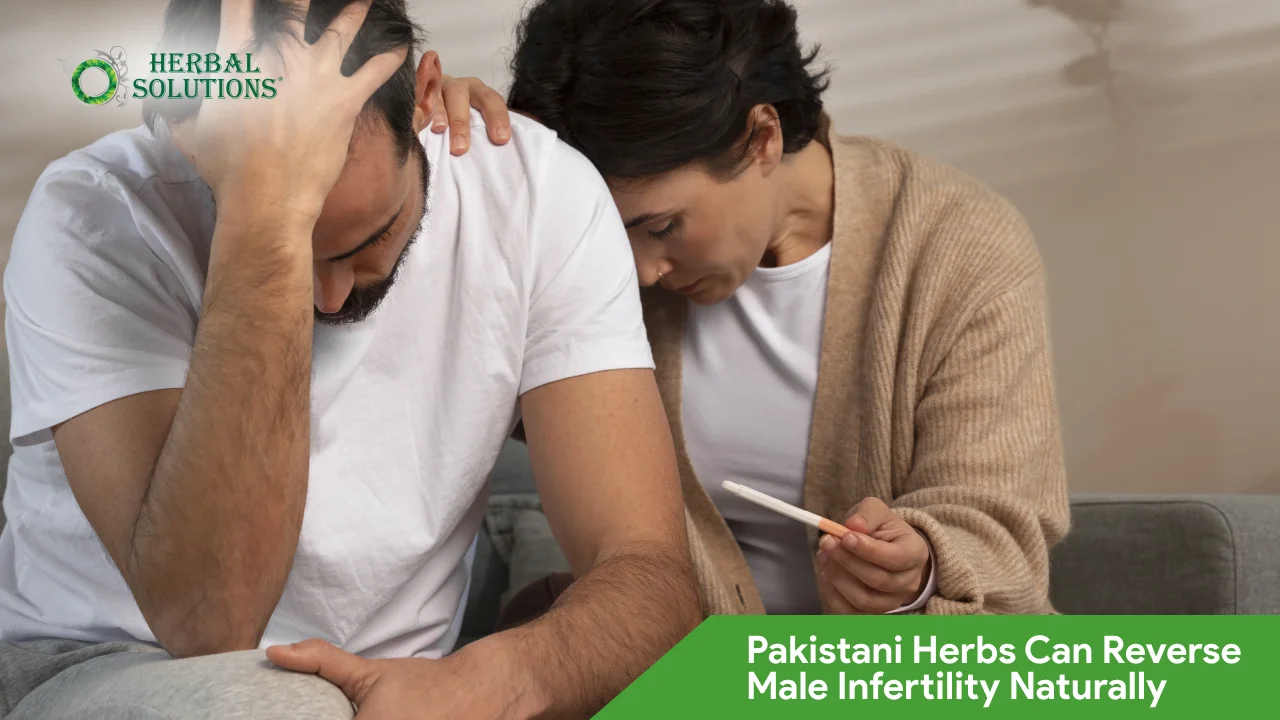
Pakistani Herbs Can Reverse Male Infertility
Male infertility affects millions of men worldwide, and Pakistan has seen a significant rise in fertility issues among men in recent years. The condition, often referred to as mardana kamzori in local terminology, can be devastating for couples trying to conceive. However, traditional Pakistani herbal medicine offers hope through time-tested natural remedies that have been used for centuries to address male infertility effectively.
Understanding Male Infertility: The Growing Concern
Male infertility is defined as the inability to contribute to conception after one year of regular, unprotected intercourse. According to the World Health Organization, male factors contribute to approximately 40-50% of all infertility cases globally. In Pakistan, environmental factors, lifestyle changes, and dietary habits have contributed to an alarming increase in fertility-related issues among men.
The primary causes of male infertility include:
- Low sperm count (oligospermia)
- Poor sperm motility
- Abnormal sperm morphology
- Hormonal imbalances
- Oxidative stress
- Lifestyle factors
The Power of Traditional Pakistani Herbal Medicine
Pakistan’s rich heritage of traditional medicine, deeply rooted in Unani and Ayurvedic systems, offers powerful herbal solutions for treating male infertility. These natural remedies work by addressing the root causes of fertility issues rather than just masking symptoms. The beauty of herbal medicine for male infertility lies in its holistic approach, treating the body as a complete system while minimizing side effects.
Traditional Pakistani herbs have been scientifically studied and proven to enhance male reproductive health through various mechanisms:
- Improving sperm quality and quantity
- Enhancing testosterone production
- Reducing oxidative stress
- Improving blood circulation to reproductive organs
- Balancing hormonal levels
Top Traditional Pakistani Herbs for Male Fertility
1. Ashwagandha (Withania Somnifera)
Known locally as “Asgandh,” this adaptogenic herb is considered one of the most powerful herbal solutions for mardana kamzori. Research published in the Fertility and Sterility journal shows that ashwagandha can increase sperm count by up to 167% and improve sperm motility significantly.
2. Safed Musli (Chlorophytum Borivilianum)
This “white gold” of Pakistani herbal medicine is renowned for its aphrodisiac properties. Safed Musli naturally boosts testosterone levels and improves overall reproductive health, making it an excellent herbal medicine for male infertility.
3. Shilajit
This mineral-rich substance found in the mountains of Pakistan contains over 85 minerals in ionic form. Shilajit has been shown to increase sperm count and improve sperm quality in men suffering from male infertility.
4. Tribulus Terrestris (Gokhru)
Commonly known as puncture vine, this herb enhances libido and improves sperm parameters. Studies indicate that Tribulus can significantly improve testosterone levels and overall reproductive function.
5. Fenugreek Seeds (Methi)
Rich in compounds that support hormone production, fenugreek seeds have been traditionally used to combat mardana kamzori and improve male fertility naturally.
The Science Behind Herbal Fertility Treatment
Modern research has validated many traditional claims about Pakistani herbs. The National Center for Biotechnology Information has published numerous studies demonstrating the efficacy of these natural remedies. These herbs work through multiple pathways:
Antioxidant Action: Many Pakistani herbs are rich in antioxidants that protect sperm from oxidative damage, a leading cause of male infertility.
Hormonal Balance: These natural remedies help optimize testosterone and other reproductive hormones essential for healthy sperm production.
Improved Blood Flow: Enhanced circulation to reproductive organs ensures better nutrient delivery and toxin removal.
Stress Reduction: Adaptogenic herbs help manage stress, which is a significant contributor to fertility issues.
Comprehensive Approach to Natural Fertility Enhancement
While individual herbs are powerful, the most effective treatment for male infertility involves a comprehensive approach combining multiple therapeutic herbs. The Special Fertility Course offers a scientifically formulated blend of traditional Pakistani herbs specifically designed to address mardana kamzori and male fertility issues.
This specialized program combines the most potent fertility-enhancing herbs in precise ratios, ensuring maximum therapeutic benefit. The course includes detailed guidance on proper usage, dietary recommendations, and lifestyle modifications to support natural fertility enhancement.
Lifestyle Factors That Complement Herbal Treatment
For optimal results with herbal medicine for male infertility, certain lifestyle modifications are essential:
Dietary Changes: Incorporating fertility-boosting foods like nuts, seeds, leafy greens, and lean proteins while avoiding processed foods and excessive sugar.
Regular Exercise: Moderate physical activity improves blood circulation and hormone production while reducing stress.
Stress Management: Chronic stress negatively impacts fertility. Practicing meditation, yoga, or other stress-reduction techniques enhances the effectiveness of herbal treatments.
Adequate Sleep: Quality sleep is crucial for hormone production and overall reproductive health.
Success Stories and Clinical Evidence
Numerous men have successfully overcome male infertility using traditional Pakistani herbal solutions. Clinical studies have shown remarkable improvements in sperm parameters within 3-6 months of consistent herbal treatment. The Special Fertility Course has helped countless couples achieve their dream of parenthood through natural means.
Research from the American Journal of Men’s Health indicates that men who combine herbal treatments with lifestyle modifications show significantly better outcomes compared to those using conventional treatments alone.
Safety and Considerations
Traditional Pakistani herbs are generally safe when used appropriately. However, it’s essential to:
- Consult with qualified healthcare practitioners
- Use standardized herbal preparations
- Follow recommended dosages
- Monitor for any adverse reactions
- Maintain consistency in treatment
The Special Fertility Course ensures safety through quality-controlled herbal preparations and professional guidance throughout the treatment journey.
The Future of Natural Fertility Treatment
As awareness grows about the side effects of conventional fertility treatments, more couples are turning to natural herbal solutions. Pakistani traditional medicine offers a safe, effective, and affordable alternative for treating male infertility and mardana kamzori.
Recent advances in herbal extraction and standardization have made these traditional remedies more potent and reliable than ever before. The integration of modern scientific research with traditional knowledge has created powerful therapeutic options for men struggling with fertility issues.
Conclusion
Traditional Pakistani herbs offer a promising natural solution for male infertility and mardana kamzori. With their proven efficacy, minimal side effects, and holistic approach to health, these time-tested remedies provide hope for couples seeking natural fertility enhancement.
The key to success lies in choosing high-quality, scientifically formulated herbal preparations like the Special Fertility Course, which combines the most effective fertility-enhancing herbs in optimal ratios.
By embracing the wisdom of traditional Pakistani medicine and supporting it with modern lifestyle practices, men can naturally overcome fertility challenges and achieve their reproductive goals. The journey to improved fertility begins with taking the first step toward natural, holistic healing.
Remember, consistency and patience are crucial when using herbal medicine for male infertility. With proper guidance and high-quality herbal solutions, natural fertility enhancement is not just possible—it’s probable.