
Wellness Blog
Natural Solutions for Female Infertility: A Complete 2025 Guide

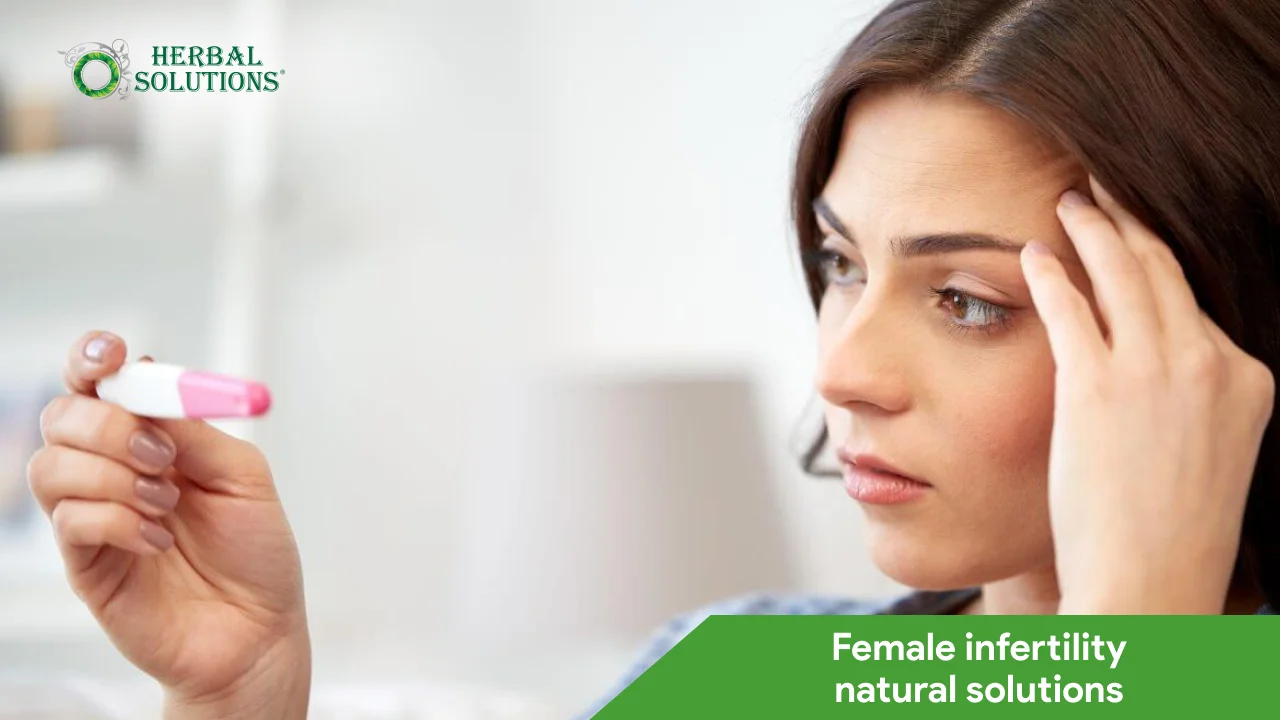
Natural Solutions for Female Infertility: A Complete 2025 Guide
Female infertility natural solutions have become increasingly sought after as more women explore holistic approaches to conception. Understanding the complexities of reproductive health is the first step toward overcoming fertility challenges and achieving your dream of motherhood.
Understanding Female Infertility: What Every Woman Should Know
Female infertility affects approximately 48 million women worldwide, making it a significant health concern that demands attention and compassionate care. When a woman under 35 cannot conceive after 12 months of regular unprotected intercourse, or when a woman over 35 cannot conceive after 6 months, medical professionals typically diagnose infertility.
The journey through infertility can be emotionally challenging, but understanding your body and exploring female infertility natural solutions can empower you to take control of your reproductive health. Modern research has shown that combining traditional wisdom with contemporary science offers promising pathways to conception.
Primary Causes of Female Infertility
Ovulation Disorders
Ovulation disorders represent the most common cause of female infertility, accounting for 25-30% of all cases. These conditions prevent the regular release of eggs from the ovaries, making conception difficult or impossible.
Polycystic Ovary Syndrome (PCOS) affects 6-12% of women of reproductive age and causes hormonal imbalances that interfere with ovulation. Women with PCOS often experience irregular periods, excess androgen levels, and small cysts on their ovaries.
Hypothalamic dysfunction occurs when the hypothalamus fails to properly trigger the hormones responsible for ovulation. This condition often results from excessive physical or emotional stress, significant weight changes, or intense athletic training.
Premature ovarian insufficiency (POI), previously called premature menopause, happens when ovaries stop functioning normally before age 40. This condition affects approximately 1% of women and drastically reduces fertility potential.
Fallopian Tube Damage or Blockage
The fallopian tubes serve as the pathway for eggs to travel from the ovaries to the uterus. Damage or blockage prevents sperm from reaching the egg or blocks the fertilized egg’s journey to the uterus.
Pelvic inflammatory disease (PID), typically caused by sexually transmitted infections like chlamydia or gonorrhea, creates scarring and blockages in the reproductive organs. Previous pelvic surgeries, endometriosis, or abdominal infections can also cause tubal damage.
Endometriosis
Endometriosis occurs when tissue similar to the uterine lining grows outside the uterus, affecting approximately 10% of reproductive-age women. This condition causes inflammation, scarring, and adhesions that interfere with egg release, fertilization, and implantation.
Research published in the New England Journal of Medicine indicates that 30-50% of women with endometriosis experience fertility challenges, making it a significant contributor to reproductive difficulties.
Uterine or Cervical Abnormalities
Structural problems within the uterus or cervix can prevent implantation or increase miscarriage risk. Uterine fibroids, polyps, congenital abnormalities, or cervical stenosis may all impact fertility potential.
Age-Related Factors
A woman’s age significantly influences fertility. After age 35, both the quantity and quality of eggs decline rapidly. By age 40, the chance of pregnancy per menstrual cycle drops to approximately 5%, compared to 20-25% for women in their twenties.
Recognizing the Signs and Symptoms
Identifying potential fertility issues early allows for timely intervention. Key symptoms include:
- Irregular menstrual cycles: Periods that vary significantly in length or are absent indicate potential ovulation problems
- Painful or heavy periods: May signal endometriosis or other reproductive conditions
- Hormonal fluctuations: Acne, excessive hair growth, weight changes, or thinning hair suggest hormonal imbalances
- Pain during intercourse: Could indicate endometriosis, infections, or other reproductive issues
- Pelvic pain: Chronic discomfort may point to various reproductive conditions
Many women with fertility challenges experience no obvious symptoms, making regular gynecological care essential for reproductive health monitoring.
Conventional Diagnostic Approaches
Medical evaluation typically includes:
Ovulation testing through blood tests measuring progesterone levels or at-home ovulation prediction kits helps confirm regular egg release.
Hysterosalpingography (HSG) involves injecting contrast material into the uterus and taking X-rays to evaluate the uterine cavity and fallopian tube openness.
Ovarian reserve testing assesses the quantity and quality of eggs available for ovulation through hormone level measurements.
Imaging tests like ultrasounds or laparoscopy visualize reproductive organs and identify structural abnormalities or endometriosis.
Natural Solutions for Female Infertility
Nutritional Optimization
Nutrition plays a fundamental role in reproductive health. A fertility-focused diet should emphasize:
Antioxidant-rich foods combat oxidative stress that damages eggs and reproductive tissues. Include berries, leafy greens, nuts, and colorful vegetables in your daily meals.
Healthy fats, particularly omega-3 fatty acids from fish, flaxseeds, and walnuts, support hormone production and reduce inflammation.
Complex carbohydrates with low glycemic indexes help regulate insulin and blood sugar levels, particularly beneficial for women with PCOS.
High-quality protein from various sources supports hormonal balance and reproductive function.
Herbal Support Systems
Traditional herbal medicine offers time-tested support for female reproductive health. Many women find that comprehensive herbal protocols address multiple aspects of fertility simultaneously.
For those seeking structured herbal support, the Female Fertility Course provides a comprehensive approach combining traditional herbs with modern understanding of reproductive health. This carefully formulated program addresses hormonal balance, ovulation support, and overall reproductive wellness through natural ingredients.
Lifestyle Modifications
Stress management significantly impacts fertility. Chronic stress elevates cortisol levels, disrupting hormonal balance and ovulation. Incorporate meditation, yoga, deep breathing exercises, or mindfulness practices into your daily routine.
Regular moderate exercise supports healthy weight maintenance and hormonal balance. However, excessive intense exercise can interfere with ovulation, so finding the right balance is crucial.
Sleep optimization ensures proper hormone production and regulation. Aim for 7-9 hours of quality sleep nightly in a dark, cool environment.
Weight Management
Both underweight and overweight conditions affect fertility. Excess body fat increases estrogen production, disrupting ovulation. Conversely, insufficient body fat reduces hormone production necessary for regular menstrual cycles.
Achieving a healthy BMI (18.5-24.9) through balanced nutrition and regular physical activity often restores normal ovulation patterns naturally.
Environmental Toxin Reduction
Endocrine-disrupting chemicals in plastics, pesticides, and personal care products interfere with hormonal function. Minimize exposure by:
- Choosing organic produce when possible, especially for the “Dirty Dozen” fruits and vegetables
- Using glass or stainless steel containers instead of plastic
- Selecting natural, fragrance-free personal care and cleaning products
- Filtering drinking water to remove contaminants
Integrating Natural and Medical Approaches
Female infertility natural solutions work best when integrated thoughtfully with conventional medical care. Many reproductive endocrinologists support combining evidence-based natural approaches with medical treatments.
Communicate openly with your healthcare provider about all supplements, herbs, and lifestyle changes you’re implementing. This ensures safe, effective coordination of care and prevents potential interactions.
The Role of Supplements
Specific supplements support various aspects of reproductive health:
Folic acid (400-800 mcg daily) prevents neural tube defects and supports egg quality.
Coenzyme Q10 (200-600 mg daily) improves egg quality, particularly beneficial for women over 35.
Vitamin D deficiency correlates with infertility; maintain optimal levels through supplementation if needed.
Omega-3 fatty acids reduce inflammation and support hormonal balance.
Myo-inositol particularly benefits women with PCOS by improving insulin sensitivity and ovulation.
Always consult healthcare providers before starting new supplements, as appropriate dosing depends on individual needs and health status.
Traditional Chinese Medicine Perspectives
Traditional Chinese Medicine (TCM) views fertility through the lens of energy balance and blood flow. Acupuncture, a cornerstone of TCM, shows promise in fertility enhancement.
Research indicates that acupuncture may improve reproductive outcomes by:
- Increasing blood flow to reproductive organs
- Regulating hormone levels
- Reducing stress and promoting relaxation
- Supporting embryo implantation
Many women incorporate acupuncture alongside other natural and medical fertility treatments with positive results.
Emotional and Mental Health Support
The emotional toll of infertility cannot be overstated. Anxiety, depression, and relationship stress commonly accompany fertility challenges. Seeking mental health support through counseling, support groups, or therapy provides crucial emotional resilience.
Online and in-person fertility support communities offer connection with others navigating similar journeys, reducing isolation and providing practical advice and emotional encouragement.
Understanding Your Fertile Window
Timing intercourse with ovulation significantly increases conception chances. The fertile window spans approximately six days—the five days before ovulation and ovulation day itself.
Track your cycle using:
- Basal body temperature monitoring
- Cervical mucus observation
- Ovulation predictor kits
- Fertility tracking apps
Understanding your body’s natural rhythms empowers informed conception efforts and helps identify potential ovulation irregularities requiring attention.
When to Seek Medical Intervention
While natural approaches offer significant benefits, certain situations warrant prompt medical evaluation:
- Women under 35 unable to conceive after 12 months of trying
- Women 35-40 unable to conceive after 6 months of trying
- Women over 40 should seek evaluation immediately when planning conception
- Known reproductive conditions like PCOS, endometriosis, or irregular cycles
- History of pelvic inflammatory disease, sexually transmitted infections, or reproductive surgeries
- Recurrent miscarriages (two or more consecutive pregnancy losses)
Early medical intervention often improves treatment success rates and preserves more treatment options.
Assisted Reproductive Technologies (ART)
When natural solutions and basic treatments prove insufficient, assisted reproductive technologies offer additional pathways to parenthood:
Intrauterine insemination (IUI) places washed, concentrated sperm directly into the uterus during ovulation, increasing the number of sperm reaching the fallopian tubes.
In vitro fertilization (IVF) involves fertilizing eggs with sperm in a laboratory, then transferring resulting embryos into the uterus. IVF success rates vary by age and individual factors but represent the most effective fertility treatment available.
Intracytoplasmic sperm injection (ICSI) injects a single sperm directly into an egg, often used alongside IVF when male factor infertility exists.
Creating Your Personalized Fertility Plan
Every woman’s fertility journey is unique. Creating a personalized plan addresses your specific needs, circumstances, and goals:
- Comprehensive assessment: Understand your reproductive health through medical evaluation
- Priority identification: Determine which factors most impact your fertility
- Integrated approach: Combine appropriate natural solutions with medical care
- Timeline establishment: Set realistic expectations and milestones
- Support system development: Build your team of medical providers, counselors, and supportive friends or family
- Regular reassessment: Adjust your plan based on progress and changing circumstances
Success Stories and Hope
Countless women overcome fertility challenges through determination, appropriate treatment, and supportive care. While each journey differs, maintaining hope and actively pursuing solutions significantly impacts outcomes.
Remember that fertility challenges do not define your worth or diminish your potential for motherhood. Multiple pathways to parenthood exist, and finding the right approach for your unique situation is possible with persistence and proper support.
Conclusion: Empowering Your Fertility Journey
Female infertility natural solutions offer powerful tools for supporting reproductive health and enhancing conception potential. By addressing nutrition, lifestyle factors, stress management, and hormonal balance through natural approaches, many women successfully overcome fertility obstacles.
The journey through infertility requires patience, self-compassion, and persistence. Whether you’re just beginning to explore fertility enhancement or you’ve been trying for some time, comprehensive approaches that honor both your body’s wisdom and modern medical knowledge offer the most promising path forward.
Consider exploring structured programs like the Female Fertility Course to support your reproductive wellness journey with traditional herbal wisdom combined with contemporary understanding.
Remember, you’re not alone in this journey. With the right support, information, and care, your dream of motherhood can become reality. Stay informed, advocate for your health, and trust in your body’s remarkable capacity for healing and renewal.
Internal Linking Opportunities
Throughout the content, consider adding internal links to:
- Other fertility-related blog posts on your website
- General women’s health articles
- Nutrition and wellness content
- Herbal remedy guides
- Product category pages for fertility supplements
- Testimonials and success stories page
- Contact page for personalized consultations
External Linking Opportunities
The content includes authoritative external links to:
- CDC (Centers for Disease Control and Prevention)
- New England Journal of Medicine
- Mayo Clinic
- Environmental Working Group
- Other reputable medical and scientific sources
These links enhance credibility, provide additional resources for readers, and improve SEO through association with authoritative domains.