
Wellness Blog
Disadvantages of IVF: Why Natural Fertility Solutions Matter

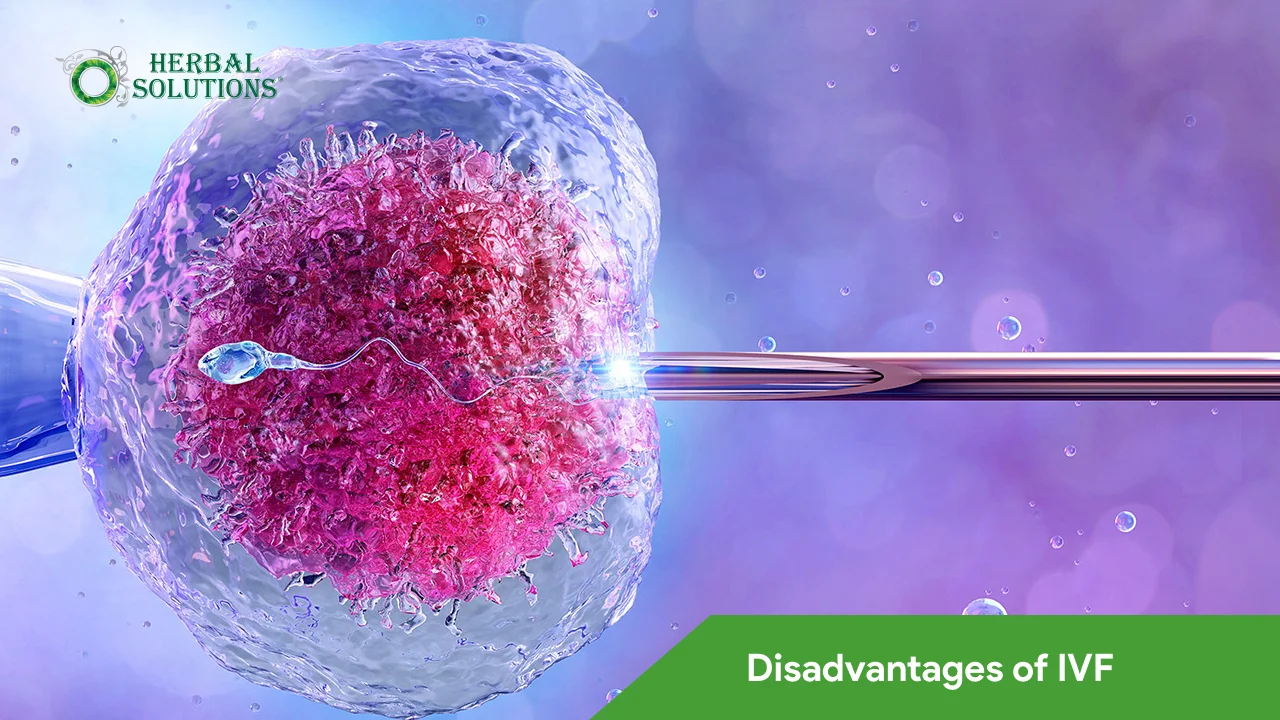
The Hidden Disadvantages of IVF
In vitro fertilization (IVF) has been hailed as a miracle solution for infertility, offering hope to millions of couples worldwide. However, like any medical procedure, disadvantages of IVF are significant and often overlooked in the rush to conceive. Understanding these drawbacks is crucial for making informed decisions about fertility treatment options.
Physical Health Risks and Complications
Ovarian Hyperstimulation Syndrome (OHSS)
One of the most serious disadvantages of IVF is the risk of Ovarian Hyperstimulation Syndrome. This condition occurs when fertility drugs overstimulate the ovaries, causing them to swell and become painful. Symptoms can range from mild discomfort to life-threatening complications requiring hospitalization. Studies show that up to 5% of women undergoing IVF experience severe OHSS.
Multiple Pregnancy Risks
IVF significantly increases the likelihood of multiple pregnancies (twins, triplets, or higher-order multiples). While this might seem like a blessing, multiple pregnancies carry substantial risks including:
- Premature birth
- Low birth weight
- Increased risk of pregnancy complications
- Higher rates of cesarean delivery
- Greater maternal mortality risk
Medication Side Effects
The hormone medications required for IVF treatment can cause various side effects including mood swings, hot flashes, headaches, and breast tenderness. Long-term exposure to these hormones may also increase the risk of certain cancers, though research is still ongoing.
Emotional and Psychological Impact
Mental Health Challenges
The emotional toll represents one of the most overlooked disadvantages of IVF. The treatment process is emotionally demanding, with couples experiencing:
- Anxiety and depression
- Relationship strain
- Social isolation
- Loss of control over family planning
- Grief and disappointment with failed cycles
Success Rate Reality
Despite medical advances, IVF success rates remain relatively modest. For women under 35, the success rate per cycle is approximately 40%, dropping significantly with age. This means many couples endure multiple failed attempts, amplifying emotional distress.
Financial Burden
Treatment Costs
IVF treatments are expensive, with a single cycle costing between $12,000 to $15,000 in many countries. Most couples require multiple cycles, making the total cost prohibitive for many families. Insurance coverage varies widely, leaving many to pay out-of-pocket.
Hidden Expenses
Beyond the basic treatment cost, additional expenses include:
- Fertility medications ($3,000-$5,000 per cycle)
- Genetic testing
- Storage fees for frozen embryos
- Travel costs for treatment
- Time off work
Natural Alternatives: Herbal Solutions for Fertility
Given these significant disadvantages of IVF, many couples are turning to natural fertility solutions. Traditional herbal medicine has been addressing mardana banjhpn (male infertility) and female fertility issues for centuries with remarkable success rates.
Why Choose Herbal Medicine Over IVF?
Herbal solutions offer several advantages over conventional IVF treatment:
- Cost-Effective: Natural fertility treatments are significantly more affordable than IVF cycles
- No Side Effects: Herbal medicines work with your body’s natural processes without harsh chemicals
- Holistic Approach: Addresses underlying causes of infertility rather than just symptoms
- Less Invasive: No painful procedures or hormone injections required
For couples seeking effective natural fertility solutions, the Special Fertility Course provides comprehensive herbal treatments that have helped thousands achieve natural conception.
Timing and Scheduling Challenges
Rigid Treatment Protocols
IVF requires strict adherence to medication schedules and appointment timings. This inflexibility can significantly impact work schedules, travel plans, and daily life routines. Many women find themselves planning their entire lives around treatment cycles.
Time Investment
Each IVF cycle typically takes 4-6 weeks from start to finish, not including preparation time. Multiple cycles mean months or years dedicated to treatment, creating significant lifestyle disruptions.
Age-Related Considerations
Declining Success Rates
One of the major disadvantages of IVF is how success rates decline with maternal age. Women over 42 have less than 5% chance of success per cycle, yet many continue expensive treatments due to lack of awareness about natural alternatives.
Increased Health Risks
Older women undergoing IVF face higher risks of:
- Pregnancy complications
- Birth defects
- Miscarriage
- Maternal health issues
The Solution: Embracing Natural Fertility Enhancement
Rather than enduring the numerous disadvantages of IVF, couples can explore proven herbal fertility solutions. The approach of IVF ya herbal medicine comparison clearly shows that natural methods often provide better long-term results without the associated risks.
Success Stories with Natural Treatment
Thousands of couples have successfully conceived naturally using traditional herbal medicine approaches. These treatments focus on:
- Improving egg and sperm quality
- Balancing hormones naturally
- Enhancing reproductive organ function
- Addressing underlying health issues
The Special Fertility Course offers personalized herbal treatment plans that have demonstrated exceptional results in overcoming both male and female infertility issues.
Making an Informed Decision
Weighing Your Options
Before committing to IVF treatment, consider these factors:
- Your age and fertility diagnosis
- Financial resources
- Emotional readiness for multiple cycles
- Openness to natural alternatives
Consultation Importance
Speaking with qualified practitioners who understand both conventional and natural fertility treatments can provide valuable insights. Many fertility experts now recommend trying natural methods before proceeding with invasive treatments.
Conclusion
While IVF has helped many couples achieve their dreams of parenthood, the disadvantages of IVF are substantial and cannot be ignored. From physical health risks and emotional trauma to financial burden and low success rates, these drawbacks make natural fertility solutions increasingly attractive.
Herbal solutions offer a safer, more affordable, and often more effective path to conception. For couples struggling with fertility issues, including mardana banjhpn, exploring natural treatments through programs like the Special Fertility Course may provide the answer they’ve been seeking.
Remember, fertility is a natural biological process, and sometimes the most effective approach is working with your body’s natural wisdom rather than against it. Before embarking on expensive and risky IVF treatments, give natural fertility enhancement the consideration it deserves.
The choice between IVF ya herbal medicine doesn’t have to be difficult when you understand all the facts. Choose the path that aligns with your values, budget, and long-term health goals.
For comprehensive natural fertility solutions, visit the Special Fertility Course and take the first step toward natural conception today.