
Wellness Blog
Azoospermia treatment in Pakistan 2026: Types & Natural Treatment

Azoospermia treatment in Pakistan 2026
Azoospermia treatment in Pakistan has become a crucial topic as male infertility rates continue to rise across the country. If you or your loved one has been diagnosed with zero sperm count, understanding the different types of azoospermia and available treatment options can provide hope and direction for starting a family.
What is Azoospermia and Why is it Increasing in Pakistan?
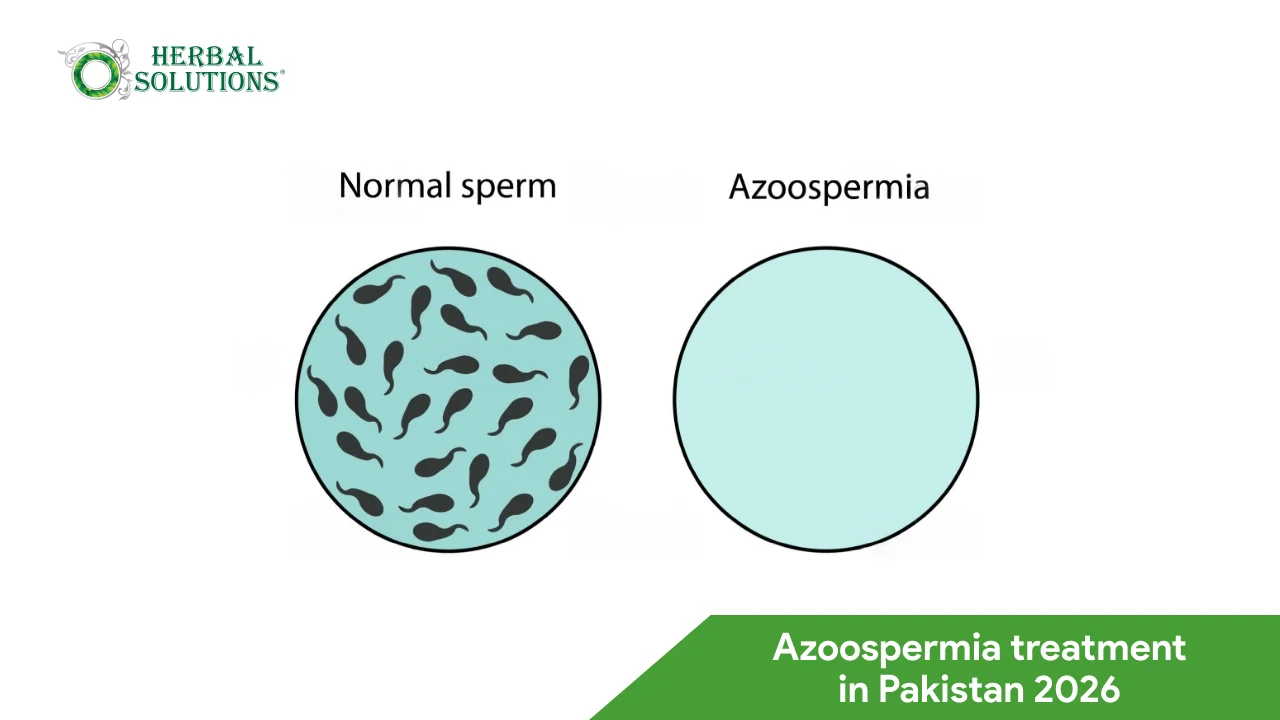
Azoospermia treatment in Pakistan addresses a condition where no sperm cells are present in the ejaculate, affecting approximately 1% of all men and 10-15% of infertile men nationwide. This condition represents one of the most challenging forms of male infertility, but advances in medical science and herbal remedies have opened new pathways for couples struggling with conception.
In Pakistan, factors such as environmental pollution, lifestyle changes, nutritional deficiencies, and genetic predispositions have contributed to increasing rates of male infertility. Major cities like Karachi, Lahore, and Islamabad have seen a significant rise in azoospermia cases, making awareness and proper treatment more critical than ever.
The Two Primary Types of Azoospermia
Understanding azoospermia treatment in Pakistan requires knowledge of the two main categories of this condition. Each type has different causes, diagnostic approaches, and treatment protocols.
1. Obstructive Azoospermia (OA)
Obstructive azoospermia occurs when sperm production is normal in the testicles, but a physical blockage prevents sperm from entering the ejaculate. This type accounts for approximately 40% of all azoospermia cases in Pakistan.
Causes of Obstructive Azoospermia:
Congenital Blockages:
- Absence of vas deferens (CAVD) – a genetic condition affecting the tubes that carry sperm
- Ejaculatory duct obstruction present from birth
- Epididymal abnormalities that prevent sperm transport
Acquired Blockages:
- Previous vasectomy procedures – intentional surgical blockage
- Infections such as epididymitis, orchitis, or sexually transmitted infections
- Surgical complications from hernia repairs or scrotal surgeries
- Traumatic injuries to the reproductive tract
- Scar tissue formation due to chronic inflammation
Clinical Presentation: Men with obstructive azoospermia typically have normal testosterone levels, normal testicular size, and normal secondary sexual characteristics. Hormone levels including FSH (Follicle Stimulating Hormone) remain within normal ranges, indicating that the testicles are producing sperm normally.
2. Non-Obstructive Azoospermia (NOA)
Non-obstructive azoospermia treatment in Pakistan represents the more challenging category, accounting for approximately 60% of cases. In NOA, the testicles fail to produce adequate sperm or produce no sperm at all.
Causes of Non-Obstructive Azoospermia:
Genetic Factors:
- Klinefelter syndrome – chromosomal abnormality with an extra X chromosome
- Y chromosome microdeletions affecting sperm production genes
- Mutations in genes responsible for spermatogenesis
- Inherited conditions affecting testicular function
Hormonal Imbalances:
- Hypogonadotropic hypogonadism – insufficient hormone signaling from the brain
- Elevated FSH levels indicating testicular failure
- Low testosterone production
- Pituitary gland disorders affecting hormone regulation
Testicular Disorders:
- Cryptorchidism (undescended testicles) – especially if not corrected in childhood
- Varicocele – enlarged veins in the scrotum causing increased temperature
- Testicular atrophy from various causes
- Previous testicular torsion resulting in tissue damage
Medical Treatments and Exposures:
- Chemotherapy for cancer treatment – particularly alkylating agents
- Radiation therapy to the pelvic region
- Chronic use of certain medications including anabolic steroids
- Environmental toxin exposure in industrial settings
Lifestyle and Environmental Factors:
- Chronic exposure to heat affecting sperm production
- Nutritional deficiencies particularly zinc, vitamin D, and antioxidants
- Obesity and metabolic syndrome
- Smoking and excessive alcohol consumption
- Chronic stress affecting hormonal balance
Comprehensive Diagnosis of Azoospermia in Pakistan
Accurate diagnosis is essential for effective azoospermia treatment in Pakistan. The diagnostic process involves multiple steps:
Initial Clinical Assessment:
- Detailed Medical History: Including childhood illnesses, surgeries, medications, and family history of infertility
- Physical Examination: Assessment of testicular size, consistency, and presence of vas deferens
- Semen Analysis: Multiple samples collected (usually 2-3) after 2-7 days of abstinence, centrifuged to confirm complete absence of sperm
Advanced Diagnostic Testing:
Hormonal Evaluation:
- FSH (Follicle Stimulating Hormone) – elevated in testicular failure
- LH (Luteinizing Hormone) – assesses pituitary function
- Testosterone levels – indicates testicular hormone production
- Prolactin – rules out pituitary disorders
- Estradiol levels – helps assess hormonal balance
Genetic Testing:
- Karyotype analysis for chromosomal abnormalities
- Y chromosome microdeletion testing
- Cystic fibrosis gene mutation testing (especially if vas deferens absent)
Imaging Studies:
- Scrotal ultrasound to assess testicular structure and detect varicoceles
- Transrectal ultrasound for ejaculatory duct evaluation
- MRI in specific cases to evaluate pituitary gland
Testicular Biopsy: This procedure can be both diagnostic and therapeutic, determining whether sperm production exists and potentially retrieving sperm for assisted reproductive techniques.
Natural and Herbal Treatment Approaches for Azoospermia
While conventional medical treatments exist, many Pakistani men are turning to natural and herbal approaches for azoospermia treatment in Pakistan. These methods focus on supporting overall reproductive health and optimizing the body’s natural functions.
The Azoo Course: Comprehensive Herbal Solution
For men seeking a natural approach to azoospermia treatment in Pakistan, the Azoo Course from Herbal Solutions offers a scientifically-formulated herbal remedy specifically designed to address male infertility issues.
Key Benefits of the Azoo Course:
- Natural Ingredients: Formulated with time-tested herbs known for supporting male reproductive health
- Holistic Approach: Addresses hormonal balance, sperm production, and overall vitality
- No Side Effects: Unlike synthetic medications, herbal formulations work with the body naturally
- Proven Results: Based on traditional medicine principles with modern quality standards
- Convenient Delivery: Available throughout Pakistan with reliable shipping
The Azoo Course combines potent herbs that have been used for centuries in traditional medicine to support spermatogenesis, improve hormonal balance, and enhance reproductive function. This comprehensive treatment addresses both obstructive and non-obstructive azoospermia by supporting the body’s natural healing mechanisms.
Additional Natural Treatment Strategies:
Nutritional Optimization:
- Zinc supplementation (15-30mg daily) essential for sperm production
- Vitamin D optimization (2000-4000 IU daily)
- Antioxidants including Vitamin C, E, and Coenzyme Q10
- Omega-3 fatty acids for cellular health
- L-carnitine for energy metabolism in sperm cells
Lifestyle Modifications:
- Weight management to optimize hormonal balance
- Regular exercise improving circulation and testosterone
- Stress reduction through meditation and yoga
- Avoiding excessive heat exposure to testicles
- Eliminating tobacco and limiting alcohol consumption
Traditional Herbal Remedies: Pakistani traditional medicine offers various herbs for male reproductive health:
- Ashwagandha for stress and hormone balance
- Shilajit for vitality and sperm quality
- Safed Musli for improving sperm parameters
- Gokshura for hormonal support
- Maca root for energy and fertility
Conventional Medical Treatments Available in Pakistan
Azoospermia treatment in Pakistan also includes conventional medical approaches:
For Obstructive Azoospermia:
Surgical Interventions:
- Vasectomy reversal with microsurgical techniques
- Vasoepididymostomy connecting epididymis to vas deferens
- Transurethral resection of ejaculatory duct (TURED)
- Surgical correction of varicoceles
Sperm Retrieval Techniques:
- TESA (Testicular Sperm Aspiration)
- TESE (Testicular Sperm Extraction)
- Micro-TESE (Microsurgical TESE) – highest success rates
- PESA (Percutaneous Epididymal Sperm Aspiration)
For Non-Obstructive Azoospermia:
Hormonal Therapy:
- Clomiphene citrate for hormonal stimulation
- Human chorionic gonadotropin (hCG) injections
- FSH supplementation in specific cases
- Treatment of underlying hormonal disorders
Assisted Reproductive Technologies: Retrieved sperm can be used with:
- IVF (In Vitro Fertilization)
- ICSI (Intracytoplasmic Sperm Injection) – single sperm injected into egg
Success Rates and Prognosis in Pakistan 2026
Azoospermia treatment in Pakistan success rates vary based on type and cause:
Obstructive Azoospermia:
- Surgical correction success: 50-90% depending on location and cause
- Sperm retrieval success: Nearly 100%
- Pregnancy rates with assisted reproduction: 40-60%
Non-Obstructive Azoospermia:
- Sperm retrieval success: 30-50% with micro-TESE
- Success varies significantly based on underlying cause
- Pregnancy rates: 20-40% when sperm retrieved
- Natural/herbal treatments: Improvement seen in 30-40% of cases over 6-12 months
Cost Considerations for Treatment in Pakistan
Understanding the financial aspects of azoospermia treatment in Pakistan helps families plan appropriately:
Diagnostic Testing:
- Hormone panel: PKR 8,000-15,000
- Genetic testing: PKR 25,000-80,000
- Testicular biopsy: PKR 40,000-80,000
Treatment Costs:
- Surgical procedures: PKR 150,000-400,000
- IVF/ICSI cycle: PKR 250,000-500,000
- Herbal treatments like Azoo Course: PKR 8,000-15,000 per month
- Hormone therapy: PKR 10,000-30,000 per month
The Azoo Course represents one of the most affordable and accessible options for men seeking azoospermia treatment in Pakistan, making it an excellent starting point before considering more invasive or expensive procedures.
Leading Fertility Centers in Pakistan
Several specialized centers offer comprehensive azoospermia treatment in Pakistan:
Lahore:
- Australian Concept Infertility Medical Center
- Hameed Latif Hospital Fertility Centre
- Fatima Memorial Hospital IVF Centre
Karachi:
- Sindh Institute of Urology and Transplantation (SIUT)
- Liaquat National Hospital Fertility Centre
- South City Hospital IVF Centre
Islamabad:
- Pakistan Institute of Medical Sciences (PIMS)
- Shifa International Hospital Fertility Centre
- Life Fertility Centre
Psychological Support and Coping Strategies
Dealing with infertility can be emotionally challenging. Men seeking azoospermia treatment in Pakistan should:
- Join support groups for couples facing infertility challenges
- Consider counseling to manage stress and anxiety
- Maintain open communication with partners
- Focus on treatment options rather than blame
- Connect with others who have successfully overcome similar challenges
azoospermia treatment in Pakistan 2026
While not all cases are preventable, certain measures can reduce azoospermia risk:
- Early treatment of undescended testicles in childhood
- Prompt treatment of testicular injuries or infections
- Avoiding unnecessary radiation exposure
- Maintaining healthy weight and lifestyle
- Regular medical check-ups for early detection
- Protecting testicles during contact sports
- Minimizing exposure to environmental toxins
The Role of Partners in Treatment
Successful azoospermia treatment in Pakistan requires partnership support:
- Attending medical appointments together
- Understanding treatment options jointly
- Providing emotional support throughout the journey
- Making lifestyle changes as a couple
- Exploring all alternatives including adoption if needed
- Maintaining intimacy beyond reproduction
Future Developments in Azoospermia Treatment
Research continues advancing azoospermia treatment in Pakistan and globally:
- Stem cell therapy showing promise in restoring spermatogenesis
- Gene therapy for genetic causes
- Improved sperm retrieval techniques
- Better hormonal manipulation protocols
- Enhanced cryopreservation methods
- Artificial gamete production research
Conclusion: Hope for Families in Pakistan
Azoospermia treatment in Pakistan has evolved significantly, offering hope to couples previously considered infertile. Whether choosing natural herbal approaches like the Azoo Course, conventional medical treatments, or a combination of both, success is possible with proper diagnosis and management.
The key to successful treatment lies in:
- Early and accurate diagnosis
- Understanding your specific type of azoospermia
- Exploring all treatment options including natural remedies
- Working with experienced fertility specialists
- Maintaining a healthy lifestyle
- Staying emotionally resilient throughout the journey
For men seeking a natural, affordable, and effective starting point for azoospermia treatment in Pakistan, the Azoo Course provides a comprehensive herbal solution backed by traditional medicine wisdom and modern quality standards. With patience, proper treatment, and support, many men with azoospermia can achieve their dream of fatherhood.
Remember, every case is unique, and what works for one individual may differ for another. Consult with qualified healthcare professionals to develop a personalized treatment plan that addresses your specific situation and maximizes your chances of success.
Frequently Asked Questions About Azoospermia Treatment in Pakistan
Q: Can azoospermia be cured completely? A: The cure depends on the type and cause. Obstructive azoospermia often responds well to surgical correction, while non-obstructive cases may require assisted reproductive technologies or long-term herbal treatments.
Q: How long does natural treatment take to show results? A: Natural treatments like the Azoo Course typically require 3-6 months of consistent use to see improvements in sperm parameters and hormonal balance.
Q: Is azoospermia hereditary? A: Some genetic forms can be hereditary, particularly Y chromosome microdeletions and certain chromosomal abnormalities. Genetic counseling is recommended for affected families.
Q: Can lifestyle changes alone reverse azoospermia? A: For mild cases, especially those related to lifestyle factors, comprehensive lifestyle modifications combined with herbal support may help restore sperm production.