
Wellness Blog
What Is Secondary Infertility? Causes, Symptoms & Natural Solutions

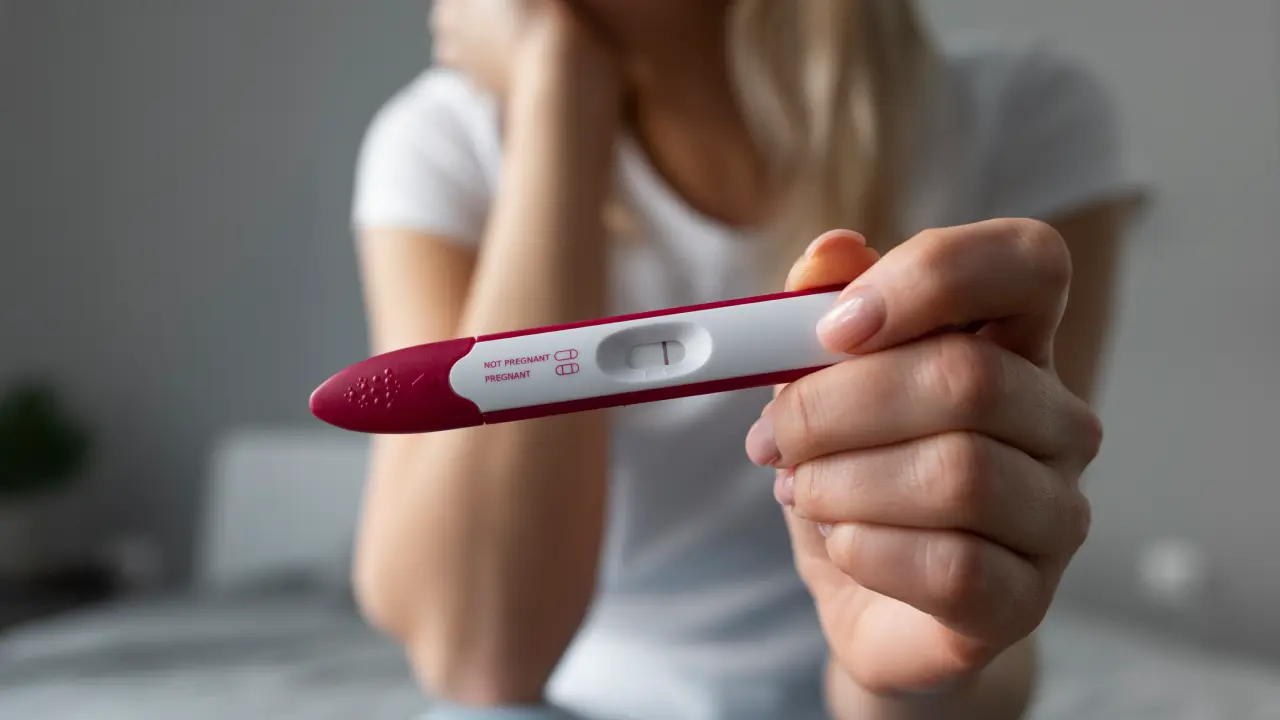
Understanding Secondary Infertility: The Unexplained Journey
Secondary infertility represents one of the most emotionally challenging aspects of female fertility. Unlike primary infertility, which affects couples who have never conceived, secondary infertility strikes those who have successfully given birth before but now struggle to conceive again. This condition affects millions of women worldwide, creating a unique set of physical and emotional challenges that often go unrecognized by society.
The medical definition of secondary infertility is straightforward: the inability to conceive or carry a pregnancy to term after having given birth before. However, the emotional reality is far more complex. Women experiencing secondary infertility often face isolation, as friends and family may dismiss their concerns with phrases like “at least you have one child” or “just relax, it happened before.”
For couples dealing with female fertility issues, understanding secondary infertility becomes crucial for making informed decisions about their reproductive health. The journey requires patience, medical insight, and often, comprehensive support through natural and medical interventions.
The Prevalence and Impact of Secondary Infertility
Secondary infertility affects approximately 6% of married women who have had at least one biological child, according to recent fertility studies. This statistic represents millions of families worldwide who are silently struggling with conception difficulties. The emotional toll of secondary infertility can be particularly devastating because it challenges the assumption that previous fertility guarantees future conception.
Women experiencing secondary infertility often report feelings of guilt, confusion, and inadequacy. The psychological impact extends beyond the individual, affecting relationships, family dynamics, and long-term life planning. Understanding these challenges is essential for developing effective treatment approaches that address both physical and emotional aspects of female fertility.
The Female Fertility Course offers comprehensive support for women navigating these complex fertility challenges, providing both educational resources and natural treatment options specifically designed for secondary infertility cases.
Common Causes of Secondary Infertility
Age-Related Fertility Decline
One of the most significant factors contributing to secondary infertility is age. Female fertility naturally declines as women age, with egg quality and quantity decreasing substantially after age 35. Many women who easily conceived their first child in their twenties or early thirties find conception more challenging in their late thirties or forties.
The biological clock affects every aspect of female fertility, from ovarian reserve to hormone production. Eggs that remain in the ovaries continue aging, leading to increased risks of chromosomal abnormalities and reduced fertilization rates. This natural aging process explains why many couples experience secondary infertility even when no other medical conditions are present.
Hormonal Imbalances and Endocrine Disorders
Hormonal changes can develop between pregnancies, creating new obstacles to conception. Conditions such as thyroid disorders, polycystic ovary syndrome (PCOS), and insulin resistance can emerge or worsen over time, directly impacting female fertility. These endocrine disruptions affect ovulation patterns, egg quality, and the uterine environment necessary for successful implantation.
Postpartum hormonal changes can also create lasting effects on fertility. Breastfeeding, while natural and beneficial, can suppress ovulation for extended periods. Some women experience persistent hormonal imbalances even after weaning, requiring targeted interventions to restore normal reproductive function.
Structural and Anatomical Changes
Physical changes resulting from previous pregnancies, deliveries, or surgical procedures can create barriers to conception. Uterine scarring from cesarean sections, dilation and curettage procedures, or infections can affect implantation. Pelvic inflammatory disease, endometriosis progression, or the development of uterine fibroids can also contribute to secondary infertility.
These structural changes often develop gradually and may not cause obvious symptoms until conception becomes difficult. Regular gynecological examinations and fertility assessments can help identify these issues early, allowing for appropriate treatment interventions.
Male Factor Contributions
Secondary infertility isn’t exclusively a female fertility issue. Male partners can also experience age-related fertility decline, developing conditions that affect sperm quality, quantity, or motility. Lifestyle changes, medical conditions, medications, or environmental exposures can all impact male fertility between pregnancies.
Comprehensive fertility evaluation should always include both partners, as male factor infertility contributes to approximately 40% of all fertility challenges. Addressing male fertility issues alongside female fertility concerns provides the best opportunity for successful conception.
Recognizing the Signs and Symptoms
Primary Indicators of Secondary Infertility
The most obvious sign of secondary infertility is the inability to conceive after trying for six to twelve months, depending on age and individual circumstances. Women over 35 should seek evaluation after six months of unsuccessful attempts, while younger women typically receive evaluation after one year of trying.
However, secondary infertility symptoms can be more subtle than simple failure to conceive. Changes in menstrual patterns, such as irregular cycles, unusually heavy or light periods, or increased cramping, may indicate underlying fertility issues. Some women notice changes in cervical mucus patterns or experience new symptoms during ovulation.
When to Seek Professional Help
Early intervention in secondary infertility cases often leads to better outcomes. Women should consider seeking professional evaluation if they experience any of the following: irregular menstrual cycles, painful periods that worsen over time, unusual bleeding between periods, or significant changes in premenstrual symptoms.
Additionally, any woman who has experienced pregnancy complications, such as multiple miscarriages, premature delivery, or pregnancy-related infections, should discuss fertility concerns with healthcare providers. These factors can increase the risk of secondary infertility and may require specialized treatment approaches.
The Female Fertility Course provides valuable resources for women who want to take proactive steps in understanding and addressing their fertility concerns naturally, complementing professional medical care.
Natural and Herbal Solutions for Secondary Infertility
The Role of Herbal Medicine in Female Fertility
Traditional herbal medicine has supported female fertility for thousands of years, offering natural alternatives and complementary treatments for various reproductive challenges. Recent research indicates that herbal remedies affect 15%–17% of couples worldwide dealing with infertility, with about 50% related to female fertility factors.
Modern scientific research increasingly validates the effectiveness of specific herbs for female fertility enhancement. Herbs like vitex (chasteberry) and red clover traditionally help restore hormonal balance when combined with essential vitamins and minerals. These natural approaches can be particularly beneficial for women with secondary infertility who prefer holistic treatment options.
Herbal solutions work by addressing underlying imbalances that may contribute to fertility challenges. Rather than simply masking symptoms, quality herbal formulations support the body’s natural reproductive processes, helping restore optimal conditions for conception.
Evidence-Based Herbal Approaches
Scientific studies have identified several herbs with proven benefits for female fertility. Vitex (chasteberry) helps regulate hormone production and supports healthy progesterone levels essential for maintaining pregnancy. Red clover provides phytoestrogens that can help balance estrogen levels naturally.
Other traditionally used fertility herbs include dong quai for menstrual regulation, maca root for hormone balance, and various adaptogenic herbs that support overall reproductive health. When properly formulated and used under guidance, these natural remedies can provide significant support for women dealing with secondary infertility.
The key to successful herbal treatment lies in using high-quality, properly formulated products that combine traditional wisdom with modern scientific understanding. The Female Fertility Course offers carefully researched herbal formulations specifically designed to address the complex needs of women experiencing secondary infertility.
Comprehensive Treatment Approaches
Integrating Natural and Medical Treatments
Successful management of secondary infertility often requires a comprehensive approach that combines natural therapies with appropriate medical interventions. This integrated strategy addresses multiple aspects of female fertility simultaneously, maximizing the chances of successful conception.
Natural treatments, including herbal medicine, nutritional supplementation, and lifestyle modifications, can enhance the effectiveness of medical treatments while reducing potential side effects. Many fertility specialists now recognize the value of complementary approaches in supporting overall reproductive health.
Lifestyle Modifications for Enhanced Fertility
Lifestyle factors play a crucial role in female fertility and can significantly impact the success of any treatment approach. Maintaining a healthy weight, engaging in regular moderate exercise, managing stress levels, and following a fertility-supportive diet all contribute to improved reproductive outcomes.
Nutritional support becomes particularly important for women with secondary infertility, as previous pregnancies may have depleted essential nutrients. Adequate intake of folic acid, vitamin D, omega-3 fatty acids, and various minerals supports optimal reproductive function and creates favorable conditions for conception.
Environmental factors also deserve attention, as exposure to toxins, chemicals, and endocrine disruptors can accumulate over time and impact fertility. Simple modifications such as choosing organic foods, using natural personal care products, and minimizing exposure to plastics can support reproductive health.
Professional Support and Treatment Options
Medical Evaluation and Diagnosis
Comprehensive medical evaluation forms the foundation of effective secondary infertility treatment. This assessment typically includes detailed medical history, physical examination, hormonal testing, and imaging studies to identify potential causes of fertility challenges.
Modern diagnostic techniques can identify subtle issues that may not have been present during previous pregnancies. Advanced hormonal assessments, genetic testing, and detailed reproductive imaging provide valuable insights that guide treatment decisions.
Working with healthcare providers who understand the unique challenges of secondary infertility ensures appropriate evaluation and treatment planning. These specialists can recommend the most effective combination of medical and natural approaches based on individual circumstances.
The Value of Specialized Support Programs
Specialized fertility support programs offer comprehensive resources that address both the physical and emotional aspects of secondary infertility. These programs typically combine educational resources, natural treatment options, and ongoing support to help women navigate their fertility journey successfully.
The Female Fertility Course represents this type of comprehensive approach, offering evidence-based natural solutions specifically designed for women dealing with secondary infertility. Such programs provide valuable alternatives and supplements to traditional medical treatments, empowering women to take active roles in their reproductive health.
Conclusion: Hope and Healing for Secondary Infertility
Secondary infertility presents unique challenges that require understanding, patience, and comprehensive treatment approaches. While the journey can be emotionally difficult, numerous effective options exist for women seeking to expand their families naturally.
The combination of modern medical understanding with traditional herbal wisdom offers promising solutions for many women experiencing secondary infertility. Natural approaches, particularly when integrated with appropriate medical care, can address underlying imbalances and support optimal reproductive function.
For women ready to take proactive steps in addressing their fertility concerns, comprehensive programs like the Female Fertility Course provide valuable resources and natural solutions specifically designed for secondary infertility challenges.
Remember that every fertility journey is unique, and what works for one woman may not be appropriate for another. The key lies in finding the right combination of treatments, support, and resources that address individual needs and circumstances. With proper guidance, patience, and comprehensive care, many women successfully overcome secondary infertility and achieve their dreams of expanding their families.