
Wellness Blog
Depression in Preschool Children: Understanding Signs and Finding Support

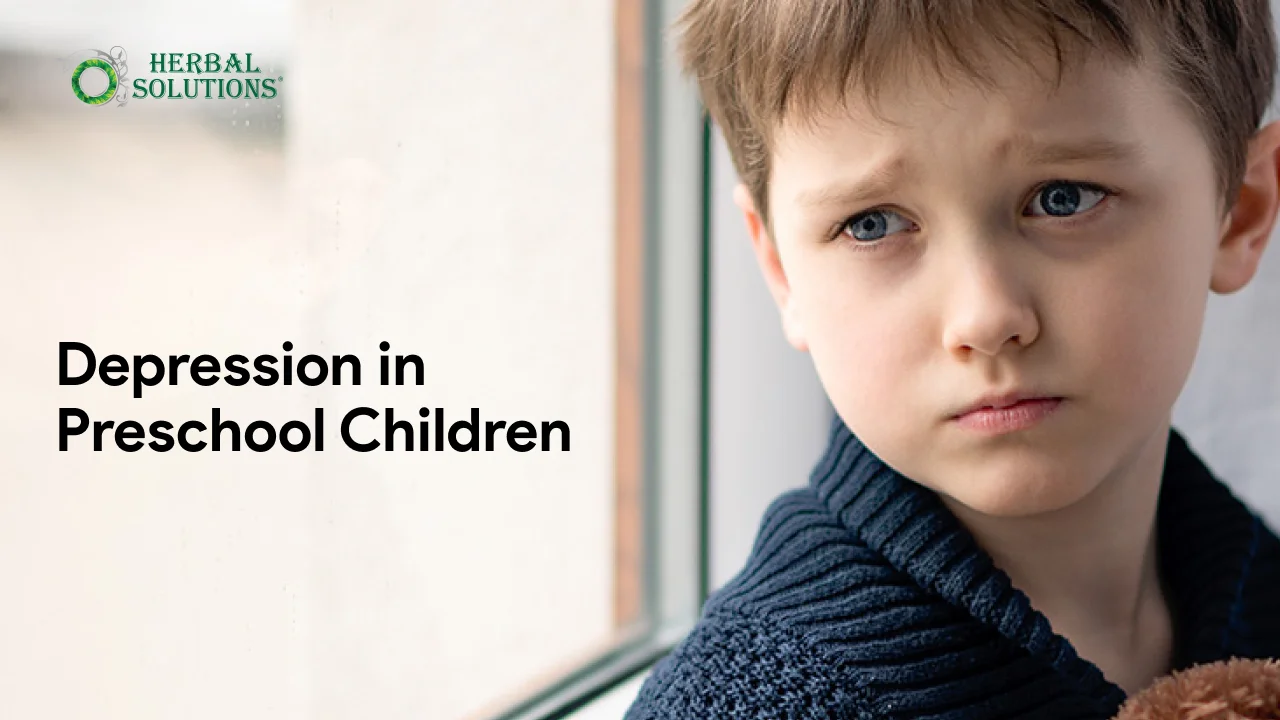
Depression in preschool children is a reality that many parents find difficult to comprehend. At Herbal Solutions Pakistan, we understand that childhood should be filled with joy and laughter, yet research shows that children as young as three years old can experience clinically significant depression. Recognizing this serious emotional health concern early can make all the difference in your child’s developmental journey.
While depression in preschool children may seem uncommon, understanding its signs and seeking timely support is crucial for your little one’s emotional, cognitive, and social growth. This comprehensive guide will help you identify warning signs, understand the underlying causes, and explore effective approaches to help your child thrive.
Table of Contents
- Understanding Depression in Preschool Children
- How Depression Manifests in Young Children
- Key Warning Signs Parents Should Know
- Risk Factors and Causes
- When to Seek Professional Help
- Treatment Options and Support Strategies
- How Parents Can Help at Home
- Frequently Asked Questions
Understanding Depression in Preschool Children
Depression in preschool children was once thought impossible due to beliefs that young children lacked the cognitive maturity to experience such complex emotions. However, research from the 1980s disputed these claims, and by the late 1980s, it became widely accepted that children aged six and older could experience clinical depression. More recent studies have pushed this understanding even further, confirming that depression in preschool children can appear as early as age three.
Unlike adults or older children who can verbalize their feelings, preschoolers have limited language skills and emotional vocabulary. Instead of saying “I feel sad” or “I’m depressed,” young children express their distress through behavioral changes, physical complaints, and shifts in their daily functioning. This makes recognition challenging but absolutely essential.
Depression in preschool children is not simply a phase of moodiness or the “terrible twos.” When symptoms persist beyond two weeks and affect a child’s ability to function in daily activities, professional evaluation becomes necessary.
How Depression Manifests in Young Children
Depression in preschool children presents differently than in adults. Because young children cannot articulate complex internal states, parents and caregivers must watch for specific behavioral and emotional patterns.
Emotional Changes
Children experiencing depression in preschool years may display:
- Persistent sadness lasting weeks rather than days
- Excessive irritability and frequent tantrums
- Crying more easily or without clear provocation
- Reduced joy during play or previously enjoyed activities
- Heightened emotional reactions to minor frustrations
Intense irritability is often the most common symptom prompting parents to seek mental health evaluation, particularly when it presents alongside social withdrawal and loss of pleasure in activities.
Behavioral Expressions
Observable changes in behavior are often the clearest indicators of depression in preschool children:
- Loss of interest in play: Decreased creativity during pretend play or disinterest in favorite toys
- Social withdrawal: Avoiding peers, preferring solitude, difficulty forming age-appropriate friendships
- Regression: Return to earlier developmental behaviors like thumb-sucking, bedwetting, or excessive clinginess
- Aggression: Increased hitting, biting, or yelling when frustrated
- Low energy: Appearing sluggish, withdrawn, or apathetic
Cognitive Indicators
Depression in preschool children also affects thinking patterns:
- Difficulty concentrating or following simple instructions
- Negative self-statements such as “I can’t do it” or “I’m bad”
- Excessive guilt, taking blame for things beyond their control
- Giving up easily on tasks
- Inconsistent learning progress
Research suggests that anhedonia, excessive guilt, extreme fatigue, and diminished cognitive abilities are the most useful markers distinguishing depression in preschool children from other early-onset psychiatric disorders.
Physical Symptoms
Young children often express emotional distress through physical complaints:
- Changes in sleep patterns (difficulty falling asleep, frequent waking, excessive sleep)
- Appetite changes or food refusal
- Frequent headaches or stomachaches without medical explanation
- Persistent fatigue and low energy levels
- Unexplained physical discomfort
Key Warning Signs Parents Should Know
Recognizing depression in preschool children requires attention to patterns over time. If you notice several of the following signs persisting for more than two weeks, consider seeking professional guidance:
- Persistent mood changes: Your child seems unusually sad, irritable, or emotionally flat most of the time
- Social isolation: Withdrawing from family activities, avoiding playmates, refusing to join previously enjoyed activities
- Extreme guilt: Frequently apologizing, saying “It’s my fault,” or taking responsibility for unrelated events
- Sleep disruption: Parent-reported sleep onset latency and refusal to sleep alone can independently predict depression severity in preschoolers
- Loss of pleasure: Lack of excitement about things that once brought joy
- Physical complaints: Ongoing somatic symptoms like headaches or stomach pain
- Negative self-concept: Expressions of worthlessness or persistent self-criticism
- Behavioral regression: Return to outgrown behaviors or developmental setbacks
At Herbal Solutions Pakistan, we emphasize the importance of trusting your parental instincts. If something feels wrong, seeking evaluation is always the right choice.
Risk Factors and Causes
Depression in preschool children rarely has a single cause. Multiple factors often combine to create vulnerability:
Environmental Stressors
- Family stress: Parental conflict, divorce, or household instability
- Loss or separation: Death of a loved one, parent separation, or prolonged absences
- Trauma exposure: Witnessing violence, experiencing abuse or neglect
- Major life changes: Moving homes, changing schools, new sibling arrival
Family and Genetic Factors
- Parental mental health: Children with family history of depression show brain changes that precede depression symptoms, suggesting genetic predisposition
- Caregiver depression: Parents struggling with their own mental health
- Insecure attachment: Inconsistent or unresponsive caregiving patterns
Individual Vulnerabilities
- Temperament: Children who are naturally more sensitive or reactive
- Chronic illness: Medical conditions that affect daily functioning
- Developmental challenges: Language delays or other developmental concerns
- Peer difficulties: Problematic social interactions or bullying
Understanding these risk factors helps parents implement protective measures and seek early intervention when needed.
When to Seek Professional Help
If you suspect depression in preschool children, taking action quickly can significantly improve outcomes. Consider seeking professional evaluation when:
- Symptoms persist beyond two weeks
- Behavioral changes interfere with daily activities
- Your child expresses thoughts about death or self-harm
- Sleep or eating patterns change dramatically
- Teachers or caregivers express concern
- Your parental intuition suggests something is wrong
Where to Start
Begin with your child’s pediatrician, who can rule out medical causes and provide referrals to mental health specialists experienced in treating depression in preschool children. Screening instruments like the Preschool Feelings Checklist, which includes 16 yes-or-no questions, can help identify young children who warrant further assessment.
At Herbal Solutions Pakistan, our team can provide supportive guidance and complement professional mental health treatment with holistic wellness approaches. Contact us at 03006777725 to discuss how we can support your family’s journey.
Treatment Options and Support Strategies
Treatment for depression in preschool children typically involves therapeutic interventions rather than medication. Evidence-based approaches include:
Psychotherapy Approaches
Parent-Child Interaction Therapy (PCIT): This form of therapy teaches parents how to interact more effectively with their child and has been adapted specifically for treating depression in preschool children. The modified version, PCIT-ED (Emotion Development), views depression as a disorder of emotional development and works on parent-child relationships.
Play Therapy: Uses toys, games, and creative activities to help young children express and process emotions they cannot verbalize.
Cognitive Behavioral Therapy (CBT): Adapted for young children using stories, play, and age-appropriate lessons to address negative thinking patterns.
Family-Centered Interventions
Treatment for depression in preschool children often involves the entire family:
- Addressing parental mental health concerns
- Improving parent-child communication
- Creating supportive home environments
- Developing consistent routines and boundaries
- Teaching emotion regulation skills
Medication Considerations
Psychopharmacological treatments are rarely recommended for preschoolers with depression and should only be considered in cases of severe psychopathology when appropriate psychotherapy has failed.
How Parents Can Help at Home
While professional treatment is essential for depression in preschool children, parents play the most crucial role in their child’s recovery. Here are evidence-based strategies you can implement:
Build Strong Emotional Connections
- Provide unconditional love: Offer plenty of physical affection, cuddles, and reassurance
- Listen actively: Create safe spaces for your child to express feelings without judgment
- Validate emotions: Acknowledge their feelings as real and important
- Spend quality time: Engage in one-on-one activities your child enjoys
Create Supportive Routines
- Establish consistency: Regular meal times, bedtimes, and daily rhythms provide security
- Prioritize sleep: Ensure age-appropriate sleep schedules and calming bedtime routines
- Encourage healthy nutrition: Offer balanced meals at regular intervals
- Promote physical activity: Daily outdoor play and movement boost mood naturally
Foster Positive Self-Image
- Praise effort over outcome: Celebrate trying and persistence rather than perfection
- Use positive language: Focus on strengths and abilities
- Set achievable goals: Break tasks into small, manageable steps
- Avoid criticism: Replace negative feedback with constructive guidance
Collaborate with Caregivers
Maintain open communication with preschool teachers, daycare providers, and other adults in your child’s life. Multiple observations from child professionals using standardized rating scales can assist in forming clinical opinions about depression in preschool children.
Take Care of Yourself
Your own wellbeing directly impacts your child’s recovery. Seek support for yourself through:
- Individual therapy or counseling
- Parent support groups
- Stress management techniques
- Regular self-care practices
At Herbal Solutions Pakistan, we understand that supporting a child with depression in preschool years can be emotionally draining. Our holistic approach includes guidance for the entire family’s wellbeing.
Natural and Complementary Support
While professional mental health treatment remains the foundation for addressing depression in preschool children, complementary approaches can support overall wellness:
Nutrition and Supplements
A balanced diet rich in omega-3 fatty acids, B vitamins, and minerals supports brain health and mood regulation. Consult with healthcare providers before introducing any supplements to young children.
Herbal Support
Certain gentle herbs may support emotional balance in children when used appropriately under professional guidance. At Herbal Solutions Pakistan, we can discuss safe, age-appropriate options that complement conventional treatment.
Mind-Body Practices
- Simple breathing exercises
- Child-friendly yoga or stretching
- Nature exposure and outdoor play
- Music and creative expression
These practices should supplement, never replace, professional mental health treatment for depression in preschool children.
The Importance of Early Intervention
Research shows that repeated experiences of depression in early childhood alter brain development and functioning over time. This makes early intervention crucial—not just for immediate symptom relief, but for protecting long-term mental health and developmental trajectories.
The good news is that depression in preschool children is highly treatable when addressed promptly. With appropriate support, most young children show significant improvement and develop healthy emotional regulation skills that serve them throughout life.
Frequently Asked Questions
Can children as young as three really experience depression?
Yes. Research confirms that depression in preschool children can occur as early as age three, though it may look different from adult depression.
How long do symptoms need to persist before seeking help?
If concerning symptoms last more than two weeks or significantly interfere with your child’s functioning, seek professional evaluation.
Will my child “grow out of” depression without treatment?
Taking a “wait and see” approach is no longer recommended, as untreated depression can alter brain development and increase risk for future mental health challenges.
What’s the difference between normal sadness and depression in preschoolers?
Normal sadness resolves within hours or days. Depression persists for weeks or months and impairs daily functioning across multiple settings.
Are medications used to treat depression in preschool children?
Medications are rarely used in this age group. Psychotherapy and family interventions are the first-line treatments.
How can I support my child’s preschool teacher in helping?
Share relevant information about your child’s diagnosis and treatment plan, maintain regular communication, and work together on consistent strategies.
Moving Forward with Hope
Depression in preschool children is a serious concern, but it’s also a treatable condition. By recognizing symptoms early, seeking professional support, and creating nurturing environments at home, you give your child the best chance for healthy emotional development and lifelong wellbeing.
Remember that seeking help is a sign of strength, not weakness. Every child deserves support when struggling with emotional challenges, regardless of their age.
Connect with Herbal Solutions Pakistan
If you’re navigating concerns about your preschooler’s emotional health or seeking complementary approaches to support their wellbeing, Herbal Solutions Pakistan is here to help. Our experienced team can provide guidance on natural wellness strategies that work alongside professional mental health treatment.
Contact us today at 03006777725 to discuss how we can support your family’s journey toward emotional wellness. Together, we can help your child develop the resilience and emotional skills they need to thrive.
For additional resources on child mental health and supporting emotional development, consult reputable healthcare organizations and mental health professionals.